
 Posted Bypriscilla
Contemporary home decor accessories have become the defining element that separates a well-designed space from one that simply exists. In 2026, these pieces do far more than fill empty surfaces. They create conversation, establish mood, and reflect the sophisticated intersection of function and artistry that today’s homeowners demand.
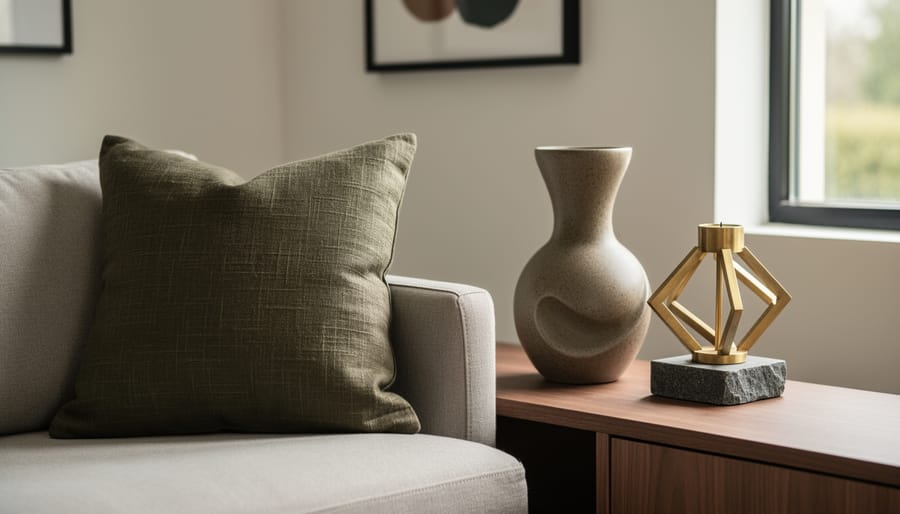
The contemporary aesthetic has evolved beyond the stark minimalism of previous decades. Now it embraces warmth through organic textures, celebrates craftsmanship alongside clean lines, and welcomes personalization within disciplined frameworks. Think sculptural vases in hand-formed ceramic, geometric lighting fixtures that double as art installations, or throw pillows in rich, tactile fabrics that invite touch while maintaining visual restraint.
What makes an accessory truly contemporary? It balances simplicity with intention. Each piece earns its place through either practical purpose or visual impact, preferably both. The color palette remains curated, often anchored in neutrals with strategic pops of deeper tones. Materials lean natural: wood, stone, linen, brass. Forms favor either pure geometric shapes or organic curves inspired by nature.
Major design events in 2026 have reinforced this direction, showcasing accessories that blur the line between decorative object and functional sculpture. The contemporary approach doesn’t reject tradition entirely. Instead, it selects thoughtfully, displaying fewer pieces with greater impact. A single statement bowl commands more attention than a cluttered console.
Understanding which accessories suit your space and how to arrange them transforms good rooms into exceptional ones. The principles are straightforward, but the possibilities remain beautifully endless.
What Makes an Accessory ‘Contemporary’ in 2026
Contemporary accessories walk a fascinating line between the stark simplicity of minimalism and the warmth of lived-in spaces. Where modern design often chases pure form and minimalist aesthetics strip away all but the essential, contemporary pieces embrace a softer philosophy. They honor clean lines while welcoming texture, prioritize function while celebrating artistry, and blend innovation with approachability rather than making a statement through severity alone.
The design philosophy centers on balance. A contemporary vase might feature the streamlined silhouette of modern design but rendered in hand-thrown ceramic with visible glazing variations that reveal the maker’s touch. Contemporary lighting fixtures combine architectural geometry with warm brass finishes or natural wood details that traditional interiors would recognize as timeless. This isn’t about choosing between old and new but finding where they naturally meet.
- Sculptural Form
- Pieces designed with three-dimensional presence that function as both practical objects and artistic statements, prioritizing visual interest from multiple angles.
- Mixed Materials
- The intentional pairing of contrasting textures like metal with ceramic, glass with wood, or stone with fabric to create depth and tactile variety.
- Neutral Foundation
- A color palette anchored in whites, grays, beiges, and earth tones that allows form and texture to take center stage without visual competition.
- Organic Accents
- Natural imperfections, irregular shapes, and raw materials that soften geometric precision and connect interiors with the natural world.
- Functional Beauty
- Design that refuses to separate utility from aesthetics, where a tray, mirror, or candleholder performs its role while elevating the space visually.
This approach explains why contemporary accessories work across different design contexts. They respect traditional design’s appreciation for craftsmanship and quality materials while embracing the openness and light that characterize modern living. A handwoven throw in natural linen brings textile warmth without pattern overload. A matte black metal sculpture adds visual weight without the ornate detail of traditional decor.
The materials themselves tell the contemporary story. You’ll find brushed rather than polished metals, ceramics with visible texture instead of perfect gloss, wood left natural rather than heavily stained. These choices honor authenticity. They show their making rather than hiding it, which builds the connection between object and observer that makes a house feel genuinely lived in rather than staged.
Essential Contemporary Accessory Categories for Your Home
Sculptural Lighting and Statement Fixtures
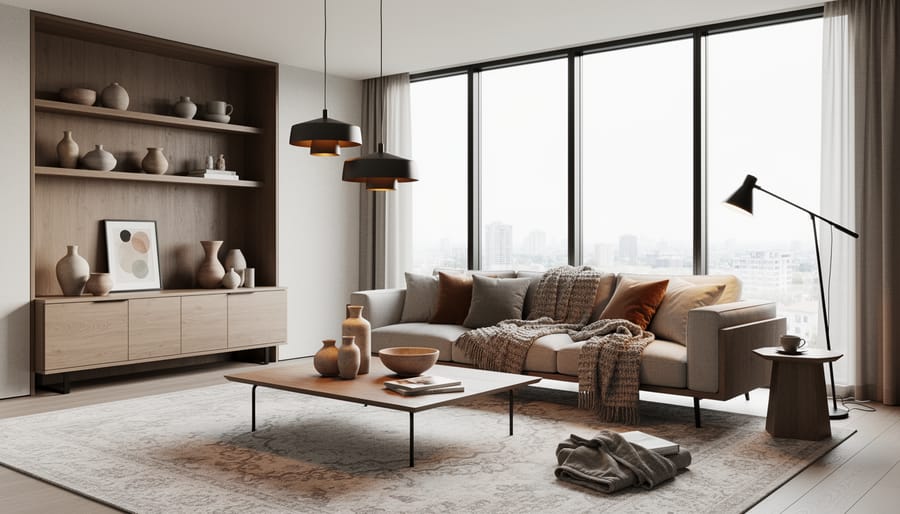
Contemporary lighting has evolved far beyond utility. Walk through any recent design showcase and you’ll notice fixtures commanding attention like sculptures, challenging the old boundary between lamp and art. A hand-blown glass pendant above your dining table casts beautiful light while serving as the room’s focal point. An arching floor lamp with a geometric brass shade anchors your reading corner and draws the eye upward, making the ceiling feel higher.
The best contemporary fixtures share certain traits: clean silhouettes, unexpected material combinations, and proportions that feel deliberate rather than standard. Think matte black metal paired with alabaster, or aged brass frames holding textured linen shades. Pendant lights might feature asymmetric forms or layered rings that create visual interest from every angle. Table lamps stand as miniature architecture, their bases often sculptural elements in stone, turned wood, or hand-formed ceramic.
Major design events like Maison&Objet and Atlanta Market consistently spotlight lighting that blurs these lines, featuring pieces where the form matters as much as the function. The practical advantage? A single statement fixture can anchor an entire room’s aesthetic, reducing the need for additional accessories while providing both ambient glow and visual drama.
Textural Textiles and Layered Fabrics
Contemporary textiles do the heavy lifting when it comes to making sleek spaces feel inviting rather than sterile. A linen throw draped over a leather sofa, a wool-blend pillow cluster in varying textures, or a low-pile jute rug anchoring a seating area, these pieces transform hard surfaces into places you actually want to settle into.
Natural fibers dominate contemporary textile choices in 2026. Linen wrinkles beautifully and softens with use. Cotton-cashmere blends offer subtle luxury without the maintenance headaches of silk. Wool brings structure and durability to rugs and throws, while maintaining that organic warmth contemporary design needs to avoid feeling cold.
Layering works when you vary the textures rather than pile on pattern. Start with a neutral base, a solid linen pillow or monochrome wool throw, then add one piece with subtle visual interest: a tone-on-tone geometric, a barely-there stripe, or natural slub in the weave itself. The goal is tactile variety, not busy-ness.
Area rugs ground contemporary rooms without competing for attention. Look for flatweaves in neutral palettes, textured weaves that create pattern through dimension rather than color contrast, or natural fiber rugs with simple borders. The rug should define the space quietly, letting your furniture and statement pieces take center stage.
Artisan Ceramics and Pottery
Handcrafted ceramics anchor contemporary spaces with a warmth that mass-produced pieces can’t replicate. Think irregular vases with thumb-print textures, bowls with intentional drips of glaze, or sculptural vessels that blur the line between function and art. These pieces celebrate the maker’s hand, their slight asymmetries and surface variations adding character to minimalist shelves and polished surfaces.
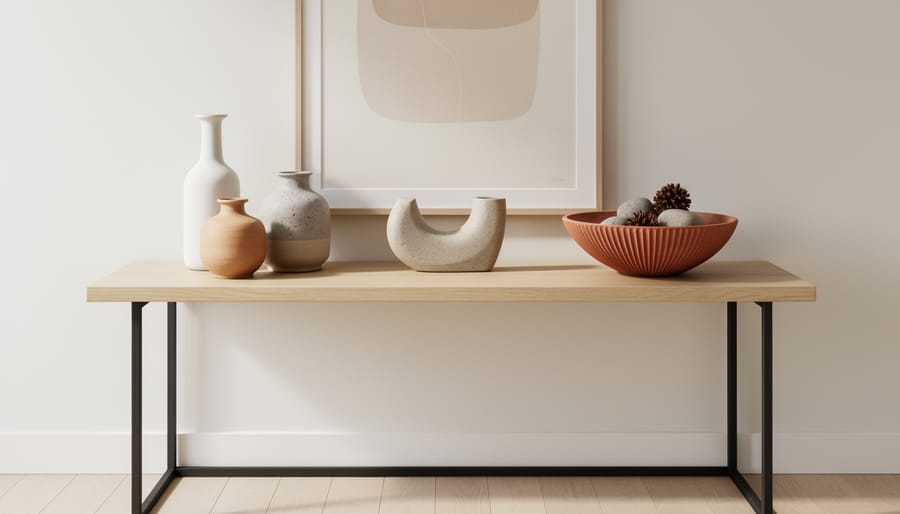
The appeal lies in contrast. A rough-hewn ceramic bowl on a glass coffee table, or a matte-finish vase against lacquered cabinetry, creates visual tension that keeps contemporary interiors from feeling sterile. Look for pieces in earthy neutrals or single bold glazes rather than busy patterns. Group three pieces of varying heights on a credenza, or let one substantial vessel stand alone as a focal point. The goal isn’t perfection but presence, a tactile reminder that real hands shaped these objects.
Metal and Glass Accents
Metal and glass accessories bring polished sophistication to contemporary spaces without overwhelming them. These pieces work through restraint, catching light and adding subtle shimmer rather than dominating a room.
Decorative trays in brushed brass or matte black metal anchor coffee tables and ottomans while corralling smaller items. They create intentional vignettes that feel curated, not cluttered. Choose geometric shapes with clean edges for the most contemporary feel.
Mirrors deserve particular attention. Oversized floor mirrors with slim metal frames lean against walls for drama, while smaller circular or arch-shaped mirrors in brass or bronze create focal points above consoles. The frame matters as much as the reflection, acting as sculptural art in its own right.
Candle holders in sculptural glass or clustered metallic finishes add verticality to surfaces. Look for pieces with architectural lines, like tapered columns or angular bases that double as small sculptures even when candles aren’t lit.
The beauty of these accessories lies in their ability to add luxury through materials and form rather than ornamentation, keeping spaces feeling open and refined.
Botanical Elements and Natural Touches
Contemporary interiors thrive when organic elements soften architectural lines and industrial materials. Botanical accessories bridge the gap between refined indoor spaces and the natural world outside.
Sculptural planters in matte ceramics or rough-hewn stone showcase single statement plants, a fiddle leaf fig, a monstera, or architectural succulents. The container itself becomes art, with asymmetrical forms and earth-toned glazes that complement neutral palettes. Dried grasses, pampas plumes, and preserved eucalyptus branches arranged in floor vases add vertical drama without the maintenance fresh florals demand.
Natural wood pieces, a burl bowl on a console, a live-edge tray, or turned wooden spheres, introduce warmth through texture and grain patterns. These accessories ground sleek spaces with authentic imperfection, celebrating knots and variations that machine-made items lack.
The key is restraint. One substantial planter anchors a corner; three dried stems in varying heights create visual interest on a sideboard. Contemporary botanical styling respects negative space, allowing each element to breathe. This philosophy extends beyond interiors, the same thoughtful curation principles apply when planning small yard decoration that complements your home’s aesthetic.
Choose pieces that feel collected rather than matched, building a connection to nature that feels genuine, not staged.
How to Choose Contemporary Accessories for Different Rooms
Living Spaces: Creating Conversation Areas
Living rooms thrive when accessories spark curiosity and invite people to linger. Your coffee table sets the tone for the entire space, so start with a foundational tray in brushed brass or natural wood to anchor smaller objects. Layer in three elements at varying heights: a sculptural ceramic piece, a stack of two or three hardcover books with compelling spines, and something organic like a small vessel with dried eucalyptus. The key is leaving breathing room, not crowding every inch.
Console tables behind sofas or along walls offer prime territory for statement-making vignettes. Position a substantial table lamp at one end, then balance it with a cluster of artisan pottery or a single oversized vase at the other. Introduce dimension by leaning an abstract print or mirror against the wall rather than hanging it, which creates a more relaxed, collected-over-time feel.
Bookshelves require restraint in contemporary spaces. Alternate vertical book stacks with horizontal groupings, punctuated by negative space and carefully chosen objects. A single brass bookend, a small succulent in a concrete planter, or a framed photograph breaks up rows of spines without visual clutter. Remember that empty shelf space itself becomes a design element, giving the eye places to rest.
Private Retreats: Bedrooms and Bathrooms
Bedrooms and bathrooms demand a different accessory approach than public-facing spaces. Start with tactile linens in muted tones, organic cotton throws folded at the foot of the bed, and linen window treatments that filter morning light softly. A single ceramic vase on the nightstand holding dried pampas grass or a sculptural brass table lamp creates visual interest without clutter. Understanding how to layer textures in bedrooms brings depth while maintaining calm.
In bathrooms, contemporary accessories bridge function and serenity. Replace plastic bottles with minimal glass dispensers, add a bamboo tray to corral daily essentials, and hang a round mirror with a thin metal frame to soften hard tile lines. A small potted fern or succulent on the vanity introduces life without maintenance demands. These spaces should feel like personal retreats, applying the same considered design philosophy that makes a timeless kitchen endure. Choose accessories that whisper rather than shout, prioritizing materials that age gracefully and details that support your daily rituals with quiet beauty.
Transitional Zones: Entryways and Hallways
Entryways and hallways often get overlooked, but they set the tone for your entire home. A well-chosen console table becomes the anchor, whether it’s a sleek walnut piece with hairpin legs or a floating shelf that keeps the floor line open. Top it with a single sculptural vase or a shallow ceramic bowl for keys, nothing more.
Mirrors are non-negotiable in these tight zones. An oversized round mirror in a thin brass frame visually doubles the space while bouncing natural light deeper into your home. Position it at eye level above your console, or lean an arched floor mirror against the wall for a more relaxed, gallery-like feel.
For function, think minimal but intentional. A wall-mounted coat rack in matte black metal, a woven basket tucked beneath the console, or a narrow bench with clean lines gives you storage without visual clutter. The goal isn’t to fill the space, it’s to make every piece count. When someone steps through your door, they should feel the same calm intention that flows through the rest of your home.
Styling Principles: The Contemporary Approach to Accessorizing
Mastering contemporary accessorizing means understanding that restraint creates impact. The philosophy isn’t about emptying a room, but about making each piece earn its place through purpose or beauty. Start by grouping accessories in odd numbers, the rule of threes remains reliable because asymmetry feels organic rather than staged. Three candlesticks of varying heights on a console, or a trio of vases with different silhouettes, creates visual interest without clutter.
Height variation matters enormously in contemporary displays. Layer objects at different elevations to draw the eye upward and prevent flat, lifeless arrangements. A tall sculptural vase beside stacked art books topped with a small ceramic bowl offers more dynamism than three objects of equal height lined up like soldiers. This principle applies everywhere from mantels to nightstands.
Negative space isn’t wasted space in contemporary design. The empty areas around your carefully chosen accessories give them room to breathe and allow the eye to rest. This challenges common interior design myths that every surface needs dressing. A single statement piece on a side table often outperforms a crowded collection.
Color coordination within neutral palettes requires subtle skill. Contemporary accessories typically work within a tonal range, warm whites to taupe, or cool grays to charcoal, with perhaps one accent material like brass or natural wood threading through the space. This creates cohesion without demanding matchy-matchy uniformity. Even functional areas where you might create a mudroom benefit from this disciplined color approach, proving contemporary principles work beyond formal living spaces.
The goal is intentionality. Each accessory should answer why it’s there, whether for function, beauty, or personal meaning. This deliberate curation distinguishes contemporary styling from both stark minimalism and decorative excess.
Where to Find Quality Contemporary Accessories in 2026
Finding quality contemporary accessories requires knowing where to look and how to evaluate what you find. The design landscape in 2026 offers more channels than ever, but authenticity and craftsmanship still matter most.
Major design shows remain invaluable for discovering emerging talent alongside established names. The Interior Design Show in Toronto (January 22-25, 2026) celebrates and promotes the best in global and Canadian design, from emerging designers to legacy brands, offering a curated environment where you can see and touch pieces before committing. Similarly, events like Maison&Objet’s two annual Paris editions and the Atlanta Market brands showcase, featuring more than 8,000 brands across all categories, provide access to wholesale and retail sources you won’t find elsewhere.
Beyond trade shows, independent artisans selling through their own studios or carefully curated online platforms often produce the most distinctive contemporary pieces. Look for makers who photograph their work in natural light, explain their process, and show slight variations between pieces rather than identical reproductions.
When evaluating quality, examine construction details. Ceramics should feel substantial with even glazing and smooth bases. Metal finishes should be consistent without visible seams or rough edges. Textiles need tight, even weaving with finished hems and quality backing materials.
Check the designer’s or brand’s background. Contemporary pieces worth investing in come from makers with clear design philosophies and established reputations, whether they’re just-launched studios or decades-old companies. Read return policies and guarantees carefully, which reputable sources offer without hesitation. Trust your instincts: if a piece feels flimsy or poorly finished in person or photos, it probably is.
Blending Contemporary Accessories with Other Design Styles
Contemporary accessories work beautifully as design bridges precisely because they strip away historical ornamentation while respecting classical proportions and functional integrity. This makes them ideal companions for nearly any aesthetic approach your home already embraces.
In traditional interiors, contemporary pieces provide breathing room without disrupting the established character. A sculptural ceramic vase on an antique sideboard, for instance, offers visual relief among ornate details while its neutral glaze complements rather than competes with rich wood tones. Contemporary lighting fixtures with clean lines can modernize a formal dining room without requiring you to replace cherished furniture pieces. The key is allowing traditional elements to remain the dominant voice while contemporary accessories punctuate with quiet confidence.
Transitional spaces benefit most obviously from contemporary accessories, as they inherently speak this balanced language. Here you can layer more freely: pair contemporary metal picture frames with both modern art and classical prints, or mix sleek glass accessories with wood furniture that bridges eras. The versatility lets you adjust the temperature of a room, cooling overly traditional spaces or warming stark modern ones.
Scandinavian interiors share contemporary design’s appreciation for clean lines and natural materials, making the marriage effortless. Contemporary ceramics, woven textiles, and organic shapes feel at home alongside Nordic furniture. The main consideration is maintaining the light, airy quality central to Scandinavian design rather than introducing too many dramatic statement pieces.
Even eclectic interiors gain from contemporary accessories serving as visual anchors. When you’re mixing colors, patterns, and periods, contemporary pieces in neutral tones and simple forms provide rest stops for the eye. They become the calm elements that allow bolder vintage or global finds to shine without creating visual chaos.
The secret is viewing contemporary accessories not as a complete style takeover but as thoughtful additions that honor your existing design story while gently moving it forward.
The beauty of contemporary accessories lies in how approachable they make design transformation. You don’t need a complete renovation or an unlimited budget to refresh your space in 2026. A single sculptural vase, a pair of textural throw pillows, or a statement lighting fixture can shift the entire energy of a room. Start with one piece that genuinely speaks to you, place it where you’ll see it daily, and notice how it changes your relationship with the space.
Trust your instincts as you explore contemporary options. If a ceramic bowl feels right in your hands, if a mirror’s frame catches your eye in just the right way, that’s your answer. Contemporary design isn’t about following rigid rules but about creating spaces that feel both current and authentically yours. The principles we’ve covered give you a framework, but your personal taste provides the direction.
The design community thrives on shared inspiration. As you discover accessories that transform your home, consider what makes them work. Is it the unexpected texture, the way light plays across a surface, the perfect imperfection of a handmade piece? We’d love to hear about your contemporary accessory finds and how you’ve styled them in your space. Your approach might be exactly what another reader needs to see.
The contemporary accessories shaping homes in 2026 honor both innovation and timelessness. They prove that thoughtful design doesn’t demand choosing between modern sensibility and enduring appeal. Start small, stay curious, and let each piece earn its place in your home.