
 Posted Bypriscilla
Traditional kitchen design creates warmth and character through classic elements like raised-panel cabinetry, natural wood finishes, ornate hardware, and architectural details that have proven their appeal across generations. These spaces blend time-honored craftsmanship with practical layouts, offering a welcoming aesthetic that feels both refined and lived-in.
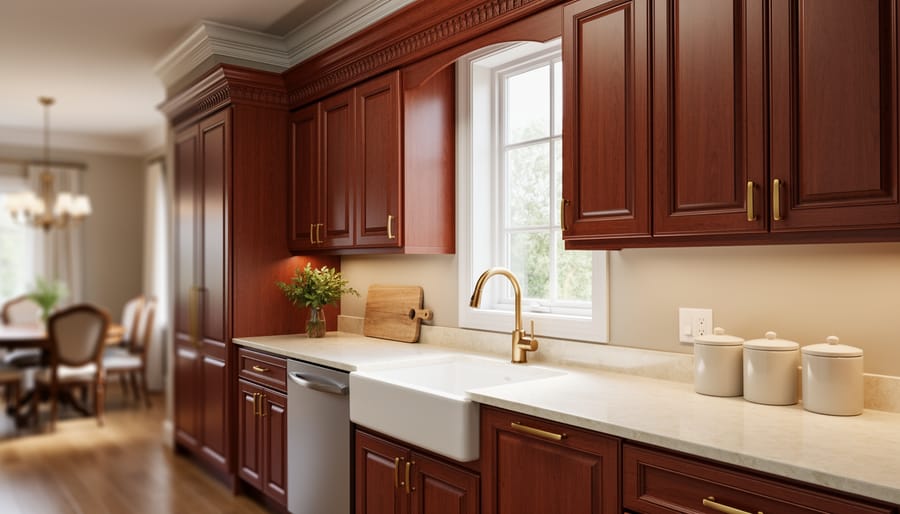
The beauty of traditional kitchen design lies in its flexibility. You can embrace rich cherry cabinets with intricate crown molding for a formal English manor feel, or lean toward painted Shaker-style doors and open shelving for a lighter, country-inspired approach. Either direction draws from centuries of design wisdom while accommodating modern appliances and contemporary lifestyles.
What distinguishes truly successful traditional kitchens in 2026 is their ability to honor historical precedent without feeling frozen in time. The best examples incorporate updated color palettes, improved lighting, and thoughtful material choices that respect classic proportions while meeting current performance standards. Marble countertops, farmhouse sinks, and beadboard details become the foundation for spaces that feel collected rather than decorated, comfortable rather than stuffy.
The twelve ideas ahead offer specific ways to capture traditional style across different budgets and space constraints. From cabinetry and hardware to flooring and lighting fixtures, each element contributes to a cohesive design language rooted in craftsmanship and enduring appeal.
What Makes a Kitchen Design Truly Traditional?
Traditional kitchen design is rooted in timelessness rather than trends. At its core, this approach celebrates quality craftsmanship, proven materials, and proportions that have satisfied homeowners for generations. Unlike contemporary styles that can feel dated within a decade, traditional kitchens draw from historical design principles that transcend fleeting fads.
The hallmark of a traditional kitchen begins with expert craftsmanship. Dovetail joints, inset cabinet doors, and hand-applied finishes reflect an attention to detail that simply isn’t present in mass-produced alternatives. These construction methods not only look refined but also ensure longevity, meaning your investment endures both aesthetically and structurally.
Material selection separates traditional kitchens from their modern counterparts. Natural stone countertops, solid wood cabinetry, and ceramic tile backsplashes bring authenticity that engineered materials struggle to replicate. These classic choices develop character over time rather than showing wear, contributing to spaces that feel rich with history.
Symmetry and balance define the traditional layout. Cabinet arrangements flanking a centered range or sink create visual harmony that feels instinctively right. This orderly approach extends to hardware placement, lighting fixtures, and architectural details, establishing a sense of calm refinement.
Color palettes in traditional kitchens favor warm neutrals. Creamy whites, soft grays with beige undertones, and gentle taupes provide a sophisticated backdrop that never screams for attention. These hues allow architectural details and quality materials to shine while creating welcoming environments that work morning through evening.
The twelve ideas ahead were selected because each embodies these core principles. They represent design elements with proven staying power, offering both beauty and function without chasing what’s currently fashionable. Each contributes to kitchens that feel grounded, elegant, and genuinely timeless.
Traditional Kitchen Design Ideas to Transform Your Space
1. Shaker-Style Cabinetry
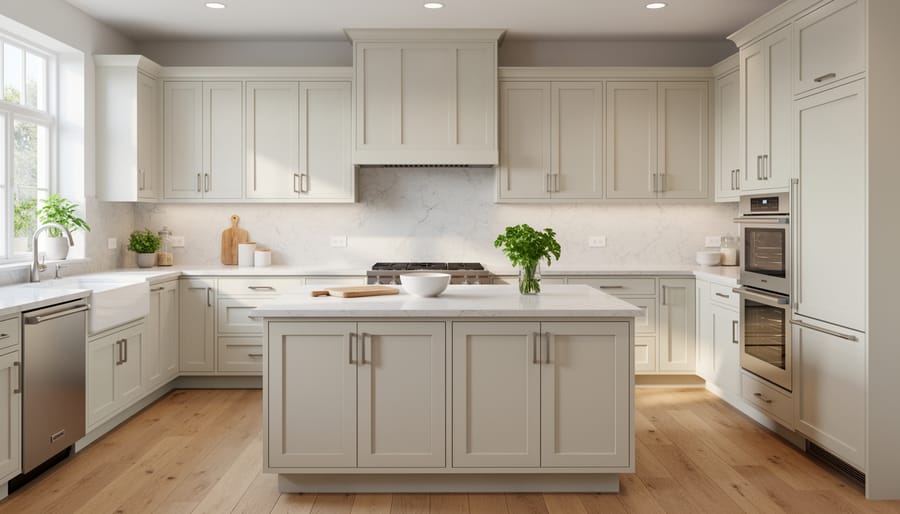
Shaker-style cabinetry stands as the foundation of traditional kitchen design, and for good reason. Born from the 18th-century Shaker religious community’s commitment to simplicity and quality craftsmanship, these cabinets feature a distinctive five-piece door construction with a recessed center panel framed by four rails. The beauty lies in their restraint, no ornate carvings or fussy details, just honest joinery that showcases the wood itself.
What makes Shaker cabinets truly versatile is their ability to adapt to different finishes while maintaining their character. A crisp white paint creates an airy, cottage-inspired feel, while a natural wood stain in oak or maple highlights the grain for warmth. For a more refined look, consider soft gray or navy finishes that add depth without sacrificing the classic profile.
The recessed panel design also offers practical benefits: it creates subtle shadow lines that add visual interest without overwhelming the space, and the straightforward construction means these cabinets age gracefully, remaining relevant through decades of evolving trends.
2. Classic Marble Countertops
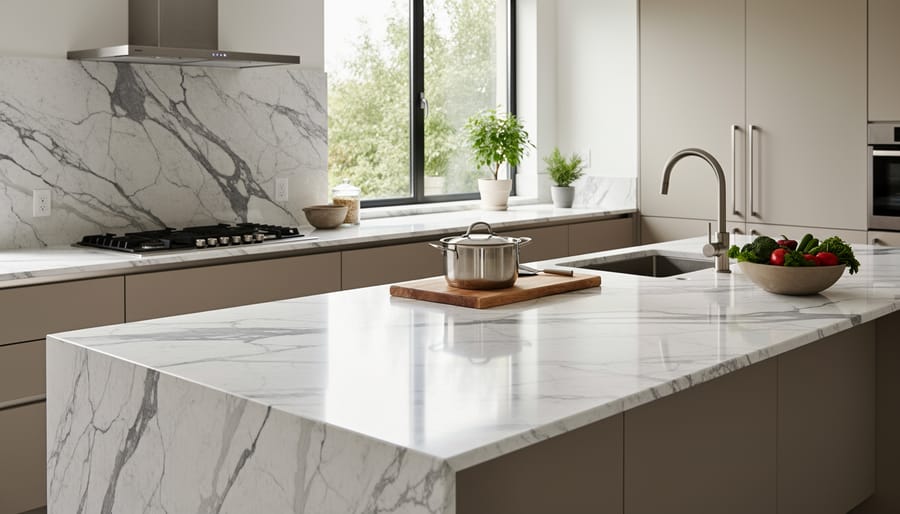
Marble countertops have graced traditional kitchens for centuries, bringing natural beauty that only improves with age. The subtle veining and cool, luminous surface create an unmistakable sense of refinement that synthetic materials simply can’t replicate.
Carrara marble, with its soft gray veining on white backgrounds, offers an accessible entry point for traditional kitchens. Its gentle pattern complements both painted and stained cabinetry without overwhelming the space. Calacatta marble makes a bolder statement with dramatic, wider veining in warm gold or gray tones, perfect for kitchen islands that deserve to be focal points.
While marble requires more care than granite or quartz, this maintenance ritual connects you to generations of homeowners who’ve cherished these surfaces. Regular sealing and prompt attention to spills preserve the stone’s beauty. Many traditional kitchen enthusiasts actually appreciate the patina that develops over time, viewing subtle etching and wear as character marks rather than flaws. Honed finishes, rather than polished, hide imperfections better while maintaining marble’s classic appeal.
3. Farmhouse Sinks
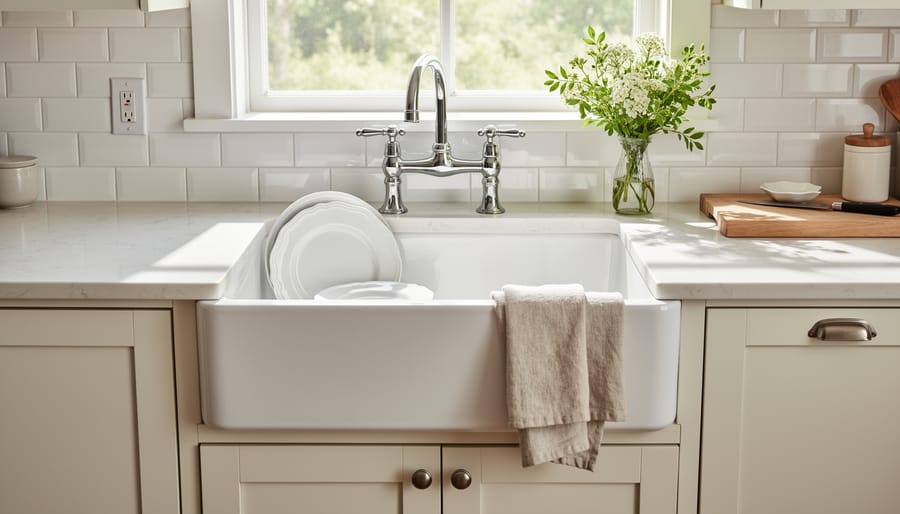
Apron-front sinks anchor traditional kitchens with their distinctive exposed fronts and generous basins. These statement pieces combine practical depth with visual warmth, creating a focal point that honors centuries-old farmhouse traditions.
Fireclay farmhouse sinks offer exceptional durability and resistance to scratches, chips, and stains. Their fired ceramic construction produces a smooth, non-porous surface that maintains its lustrous finish through years of use. The classic white fireclay sink pairs beautifully with marble countertops and complements virtually any cabinet color.
Porcelain sinks provide a more budget-friendly alternative while still delivering traditional aesthetics. Though slightly less durable than fireclay, quality porcelain versions resist everyday wear and bring the same visual appeal to your kitchen. Their smooth surface and bright white finish capture light beautifully.
Both materials require front installation that accommodates the sink’s exposed apron, typically measuring 8-10 inches deep. This installation method allows you to stand closer to the basin, reducing back strain during food prep and cleanup while creating that signature traditional kitchen look.
4. Warm Neutral Color Palettes
A traditional kitchen’s color palette creates the foundation for its timeless appeal, with warm neutrals offering a sophisticated backdrop that never feels trendy or dated. Creams bring a soft, inviting quality that reflects natural light beautifully throughout the day, while soft whites like ivory and linen provide classic elegance without the starkness of pure white. Warm grays with beige undertones, often called “greige,” bridge traditional and contemporary sensibilities perfectly.
Layering these colors effectively means choosing one as your dominant shade for cabinetry, then introducing complementary tones through walls, trim, and accents. Pair cream cabinets with slightly lighter walls to create subtle depth, or anchor soft white cabinetry with warm gray island bases for visual interest. The key is maintaining warmth, avoid cool grays or stark whites that can feel clinical. These neutral foundations also allow you to introduce richer accent colors through textiles, artwork, and accessories while keeping the overall palette cohesively traditional.
5. Crown Molding and Architectural Details
Crown molding transforms ordinary cabinetry into furniture-quality pieces that anchor traditional kitchen design. This decorative trim bridges the gap between upper cabinets and ceiling, creating visual height while softening harsh lines. Traditional profiles feature classic ogee or cove patterns, though simpler designs work beautifully in kitchens with lower ceilings.
Corbels add functional beauty beneath countertop overhangs, islands, and range hoods. These ornamental brackets showcase craftsmanship while providing structural support, whether you choose simple carved wood or elaborate scrollwork designs. Position them strategically to draw attention to key features without overwhelming the space.
Trim work completes the traditional aesthetic. Frame cabinet doors with applied molding, add baseboards with substantial profiles, and incorporate chair rail details on walls. These architectural elements create layers of dimension that distinguish traditional kitchens from contemporary styles. The key is consistency, select profiles that complement rather than compete, maintaining a cohesive look throughout the space.
6. Glass-Front Display Cabinets
Glass-front cabinets transform functional storage into an elegant display opportunity that’s been a hallmark of traditional kitchens for generations. These cabinets add visual depth to your space by creating layers of interest, while the transparency prevents the kitchen from feeling heavy or closed-in, especially important when using darker cabinetry finishes.
The beauty lies in their dual purpose: showcasing treasured china, heirloom serving pieces, or collected pottery while keeping them protected from dust and grease. For authentic traditional character, choose cabinets with mullioned glass doors featuring delicate wooden grids that frame the panes. Seeded or wavy glass adds vintage charm and softly obscures contents for a less formal look.
Position glass-front cabinets flanking your range or on upper corners where they catch natural light. Keep displayed items edited and coordinated, stacks of white dishes, matching glassware, or curated collections work better than random assortments. Interior cabinet lighting elevates the effect dramatically, turning your displays into focal points that glow warmly during evening hours.
7. Classic Hardware and Fixtures
The finishing touches of a traditional kitchen reveal themselves in the hardware and fixtures. Cabinet knobs and pulls in unlacquered brass develop a rich patina over time, adding character that machine-made finishes can’t replicate. Oil-rubbed bronze offers similar depth with its darker, more dramatic presence on cabinetry.
Polished nickel bridges traditional and contemporary sensibilities. Its cool, silvery gleam complements white cabinets while maintaining period authenticity. Look for pieces with substantial weight and detailed backplates, the kind your grandmother’s kitchen might have featured.
Faucets deserve equal consideration. Bridge-style kitchen faucets with cross handles or porcelain lever caps anchor traditional sinks beautifully. Vintage-inspired pot fillers above the range combine period charm with modern convenience.
The key lies in consistency. Choose one primary finish and use it throughout, mixing metals dilutes the cohesive traditional aesthetic you’re building. Quality hardware costs more upfront but transforms plain cabinets into furniture-grade pieces that genuinely last decades.
8. Butcher Block Islands
A butcher block island brings instant warmth to any traditional kitchen while serving as both a practical work surface and visual anchor. The natural wood grain creates an inviting focal point that softens the look of painted cabinetry and stone countertops surrounding it.
Maple remains the most popular choice for its durability and light honey tones, though walnut and cherry offer richer, deeper hues that age beautifully over time. The wood surface is ideal for food prep, particularly bread baking and pastry work, as the slightly yielding surface is gentler on knife edges than stone.
Maintenance is straightforward: regular oiling keeps the wood hydrated and prevents cracking, while light sanding can refresh the surface when needed. This practical upkeep ritual actually adds to the wood’s character, developing a patina that reflects years of family meals and gatherings. The warmth underfoot when you lean against the island during morning coffee adds a tactile comfort that cold stone simply can’t match.
9. Subway Tile Backsplashes
Subway tile has earned its place as a backsplash staple in traditional kitchens for good reason. These rectangular ceramic tiles, typically measuring 3×6 inches, originated in early 1900s New York City subway stations and have maintained their appeal for over a century. Their clean, simple profile complements traditional cabinetry without competing for attention, while their glossy finish reflects light to brighten work areas.
The classic running bond pattern, where tiles are offset by half, remains the most popular installation method, but traditional kitchens also embrace herringbone and vertical stack arrangements for added visual interest. White remains the quintessential choice, though soft creams and light grays work beautifully in warmer traditional palettes. The grout color you select dramatically affects the overall look: white grout creates a seamless appearance, while contrasting dark grout emphasizes the grid pattern for a more defined aesthetic. Subway tile’s durability and easy maintenance make it both beautiful and practical for busy cooking spaces.
10. Decorative Range Hoods
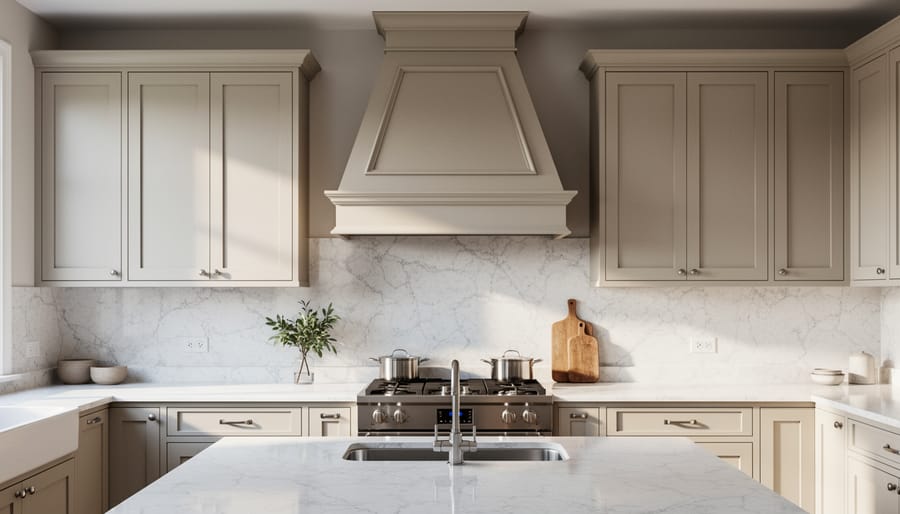
A decorative range hood transforms your kitchen’s most functional element into its most striking architectural feature. Traditional range hoods in wood or plaster create an immediate focal point that anchors the entire cooking zone with Old World elegance.
Wood range hoods bring warmth and craftsmanship to the space. Consider a carved mantel-style hood in walnut or cherry with corbels and decorative trim that echoes your cabinetry details. These custom pieces can feature arched openings, applied moldings, or hand-carved elements that showcase traditional woodworking techniques.
Plaster hoods offer a softer, more European aesthetic. A curved plaster hood in aged white or cream creates the feeling of a centuries-old French or Italian kitchen. The smooth, sculptural form contrasts beautifully with the hard edges of surrounding cabinetry while drawing the eye upward and emphasizing your kitchen’s vertical space.
Both materials work equally well whether you’re concealing a modern ventilation insert or integrating recirculating systems, proving that traditional beauty and contemporary performance can coexist seamlessly.
11. Paneled Appliances
Integrated, panel-ready appliances represent one of the most effective ways to preserve traditional aesthetics in a modern kitchen. These appliances accept custom cabinet panels that match your cabinetry, allowing refrigerators, dishwashers, and even range hoods to disappear seamlessly into the overall design rather than disrupting the visual flow with stainless steel or black finishes.
The beauty of paneled appliances lies in their ability to maintain the symmetry and cohesiveness that defines traditional kitchens. When your refrigerator wears the same Shaker-style panels as your surrounding cabinets, the space maintains its classic elegance without sacrificing contemporary conveniences like ice makers, temperature zones, or smart features.
Consider paneling your dishwasher first, as it typically offers the most dramatic visual impact for the investment. Refrigerators come next, especially in kitchens where the refrigerator sits prominently in the main cabinet run. While panel-ready appliances carry a premium price tag, they deliver unmatched design continuity that keeps traditional kitchens looking authentically timeless rather than obviously retrofitted with modern technology.
12. Open Shelving with Classic Brackets
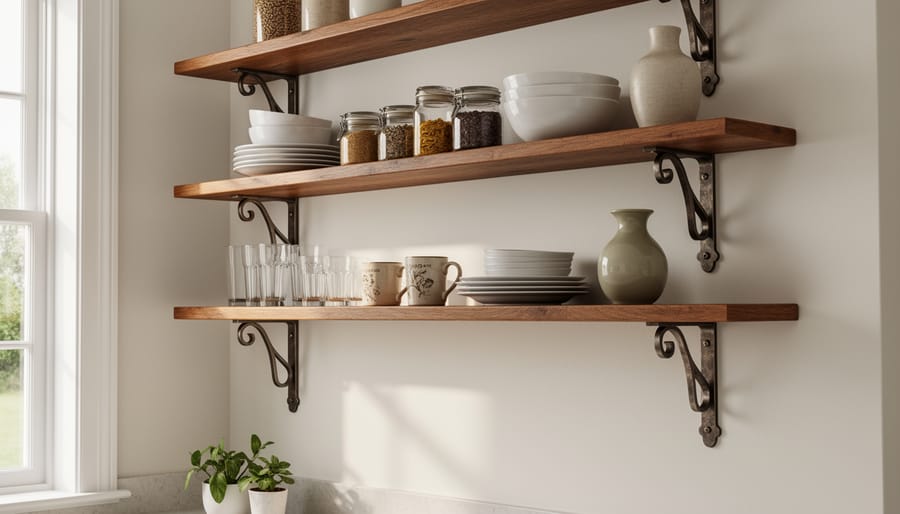
Open shelving supported by decorative brackets brings both functionality and visual interest to traditional kitchens while creating opportunities to display beautiful dishware and collections. Unlike modern floating shelves, traditional open shelving incorporates ornate cast iron, wrought iron, or carved wood brackets that become design elements in their own right.
Choose brackets with scrollwork, acanthus leaf details, or other classical motifs that complement your kitchen’s overall aesthetic. Position shelving near windows where natural light can highlight displayed items, or flank your range to create a symmetrical focal point. Painted wood shelves in colors matching your cabinetry maintain visual cohesion, while stained wood adds warmth and contrast against lighter walls.
The key to successful traditional open shelving lies in thoughtful curation. Display everyday dishes you actually use alongside decorative pieces, vintage crockery, or treasured serving ware. This practical approach keeps shelves from feeling too precious while maintaining the collected-over-time quality that defines traditional design. Limit displays to avoid clutter, restraint ensures your shelving enhances rather than overwhelms your kitchen’s timeless character.
Bringing It All Together: Creating Your Traditional Kitchen
Creating a cohesive traditional kitchen isn’t about following strict rules, it’s about layering elements that feel authentic to you. Start with one or two foundational pieces, like Shaker cabinetry or marble countertops, then build around them. If you’ve fallen in love with a farmhouse sink, let that anchor your material choices and carry the warm, welcoming aesthetic through other selections.
The beauty of traditional design lies in its flexibility. You don’t need to incorporate every element from our list to achieve a timeless look. Instead, focus on quality over quantity. Three well-executed traditional features will create more impact than a kitchen crammed with competing details. Consider which aspects of traditional style speak to your daily life, maybe it’s the functionality of a butcher block island for meal prep, or the elegance of glass-front cabinets to display family heirlooms.
Balance is your best friend when mixing traditional elements with modern necessities. Panel your refrigerator to maintain visual continuity, but don’t hesitate to choose a sleek induction cooktop if it suits your cooking style. The goal is creating a space where historical charm meets present-day function. Let your lifestyle guide the balance: if you love entertaining, prioritize open shelving and display cabinets; if you’re an avid cook, invest in that statement range hood and professional-grade appliances disguised in traditional finishes.
Trust your instincts about what feels right in your space. Traditional kitchen design succeeds when it reflects your personal taste rather than mimicking a showroom. Start with elements that genuinely excite you, and the cohesive, timeless kitchen you envision will naturally follow.
Common Questions About Traditional Kitchen Design
Are traditional kitchens more expensive than modern designs?
Traditional kitchens can range from moderate to high-end depending on material choices and craftsmanship details. Custom cabinetry with intricate molding and natural stone countertops typically cost more than basic options, but you can achieve traditional style at various price points by prioritizing key elements and mixing investment pieces with budget-friendly alternatives.
How do I keep my traditional kitchen from looking outdated?
Focus on quality over trends, choose neutral palettes that transcend time, and avoid overly ornate details that feel costume-like. A traditional kitchen becomes dated when it tries too hard to replicate a specific era rather than embracing timeless design principles.
Can I mix modern appliances with traditional design?
Absolutely. Panel-ready appliances integrate seamlessly into traditional cabinetry, while high-quality stainless steel fixtures can complement rather than clash with classic elements when chosen thoughtfully.
What maintenance do traditional materials require?
Marble countertops need periodic sealing and gentle cleaning to prevent staining, wood surfaces benefit from regular oiling, and painted cabinetry may require touch-ups over time. These materials develop character with age when properly maintained, which actually enhances their traditional appeal.
How long does a traditional kitchen remodel typically take?
Expect 8-12 weeks for a full traditional kitchen renovation, though timelines vary based on custom cabinetry lead times, structural changes, and material availability. Working with experienced craftspeople who understand traditional details may extend the timeline but ensures quality results.
Traditional kitchen design represents an investment in lasting beauty rather than fleeting trends. The questions above reflect common concerns when embarking on this design journey, but the answers consistently point to one truth: traditional kitchens reward thoughtful planning and quality choices. When you select materials and details that have proven their worth over decades, you create a space that ages gracefully rather than simply aging. The key lies in understanding that traditional doesn’t mean stuck in time. These kitchens evolve with your life, accommodating new technologies and changing needs while maintaining their fundamental character and charm.
items
Clean-lined Shaker cabinets with recessed panels and simple hardware create a foundation that works with any decor evolution while maintaining traditional character.
Carrara or Calacatta marble surfaces bring natural elegance and veining patterns that have graced kitchens for centuries, aging beautifully with proper care.
Deep apron-front sinks in fireclay or porcelain add both practical workspace and nostalgic charm that anchors the traditional kitchen aesthetic.
Layered creams, soft whites, and warm grays create inviting spaces that feel fresh across decades without requiring frequent updates.
Decorative trim work, corbels, and crown molding add dimensional interest and craftsmanship that elevate cabinetry from functional to refined.
Transparent cabinet doors showcase cherished dishware while adding visual depth and breaking up solid cabinetry runs with traditional elegance.
Brass, bronze, or polished nickel pulls and knobs with vintage-inspired designs provide the finishing details that complete the traditional look.
Warm wood countertops on kitchen islands introduce natural texture and a welcoming centerpiece that improves with use over time.
White or neutral subway tiles in classic brick or herringbone patterns deliver clean backgrounds that never feel outdated.
Statement hoods in wood or plaster finishes transform functional ventilation into architectural focal points worthy of traditional kitchens.
Integrated refrigerators and dishwashers hidden behind cabinetry panels maintain visual continuity while offering modern convenience.
Traditional open shelves supported by ornate metal brackets blend practical storage with display opportunities for everyday beauty.
recap
Traditional kitchen design endures because it prioritizes quality craftsmanship, classic materials, and balanced proportions that feel right regardless of changing trends. The twelve ideas we’ve explored, from Shaker cabinetry and marble countertops to farmhouse sinks and decorative range hoods, represent time-tested elements that create warm, inviting spaces with lasting appeal.
What makes these design choices truly timeless is their foundation in both beauty and function. Crown molding adds architectural interest, butcher block islands provide practical workspace with natural warmth, and paneled appliances maintain aesthetic cohesion while delivering modern convenience. Each element contributes to a kitchen that feels collected and intentional rather than trendy.
The beauty of traditional design lies in its flexibility. You don’t need to incorporate every idea to achieve authentic traditional style. Select the elements that resonate with your lifestyle and space, whether that means committing to full Shaker cabinetry or simply adding glass-front cabinets and classic hardware. Traditional kitchens adapt beautifully to personal interpretation while maintaining their essential character, spaces designed for gathering, cooking, and creating memories that stand the test of time.
Key Points
Traditional kitchen design remains relevant because it prioritizes quality craftsmanship, classic materials, and proportions that have proven their appeal across generations. These spaces blend beauty with functionality, creating rooms that feel both elegant and welcoming.
- Shaker-style cabinetry with recessed panels provides versatile foundation that works with various finishes and hardware
- Natural materials like marble countertops and butcher block islands add warmth and character that improves with age
- Architectural details including crown molding and decorative range hoods create visual interest and sophistication
- Warm neutral color palettes in creams, soft whites, and warm grays establish calming, timeless backdrops
- Classic fixtures and hardware in brass, bronze, or polished nickel finishes contribute authentic traditional character
- Balance is achieved through symmetry, proper proportions, and thoughtful mixing of display and concealed storage
- Panel-ready appliances allow modern functionality while maintaining the traditional aesthetic throughout the space
The success of a traditional kitchen lies in selecting elements that resonate with your personal style while respecting the principles of classic design. Each component should serve both practical and aesthetic purposes, contributing to a cohesive space that will remain beautiful for decades. Focus on quality over trends, and your kitchen will reward you with enduring appeal.
Traditional kitchen design isn’t about following fleeting trends, it’s about creating a space that feels right today, tomorrow, and decades from now. The elements we’ve explored, from Shaker cabinetry to marble countertops and farmhouse sinks, have proven their worth across generations precisely because they prioritize quality, functionality, and understated elegance over momentary style.
What makes these design choices truly special is their ability to adapt. A traditional kitchen doesn’t lock you into a single aesthetic; it provides a foundation you can personalize with colors, textures, and finishing touches that reflect your unique taste. Whether you choose one signature element or weave several together, you’re investing in a kitchen that welcomes family gatherings, inspires everyday cooking, and maintains its beauty through years of use.
We’d love to hear from you: which traditional design idea resonates most with your vision? Are you drawn to the warmth of butcher block islands, the elegance of glass-front cabinets, or perhaps the classic simplicity of subway tile? Share your thoughts in the comments below and let’s celebrate the timeless beauty of traditional kitchens together.