
 Posted Bypriscilla
Minimalist home decor strips your living space down to what truly matters, creating rooms that feel open, intentional, and surprisingly luxurious through the strategic use of clean lines, neutral palettes, and carefully chosen pieces that serve both function and form. At its core, this approach rejects clutter and excess in favor of quality over quantity, transforming homes into calming sanctuaries where every item earns its place.
The appeal is immediate and practical. Fewer possessions mean less to clean, organize, and maintain. But the real magic happens in how minimalism reshapes your relationship with your space. When you remove visual noise, what remains commands attention. That sculptural chair becomes a statement piece. Natural light floods unobstructed rooms. Architectural details you never noticed suddenly shine.
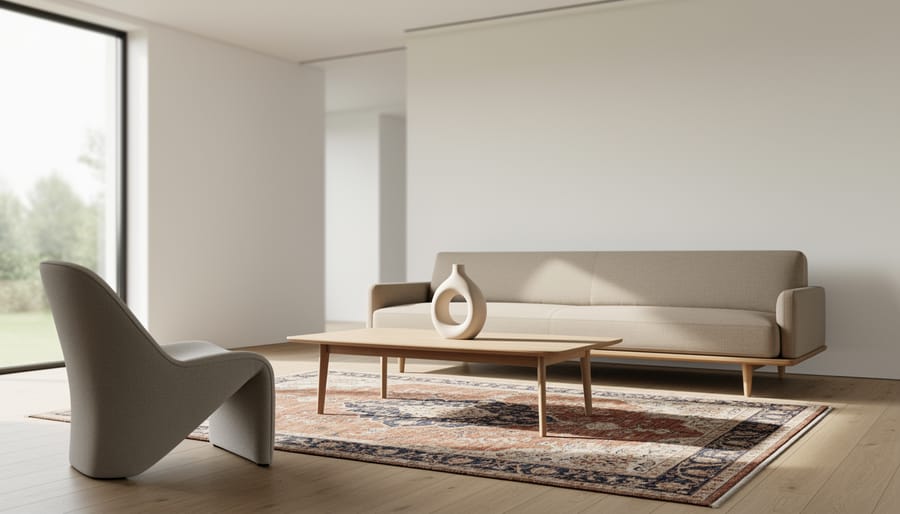
This isn’t about living in a cold, sterile showroom or tossing everything you own. The most successful minimalist interiors balance restraint with warmth, blending sleek modern elements with select traditional pieces that carry meaning or history. Think of a single vintage Persian rug anchoring an otherwise spare living room, or heirloom dining chairs paired with a streamlined table.
Getting started requires honest assessment rather than drastic purging. You’ll learn to distinguish between the objects that add genuine value to your daily life and those that simply fill space. The result? Homes that breathe easier, reflect personal style more clearly, and prove that true elegance often whispers rather than shouts.
The Minimalist Movement: More Than Just Empty Rooms
When people picture minimalist home decor, they often imagine sterile white boxes devoid of personality, a few stark pieces floating in vast emptiness. That fundamental misunderstanding has stopped countless homeowners from exploring a design philosophy that could genuinely improve their daily lives. True minimalism isn’t about deprivation or creating showrooms nobody wants to live in. It’s about intentionality, where every element in your space earns its place through purpose, beauty, or emotional significance.
The philosophy traces back to “less is more,” but applies it with nuance. A minimalist living room might feature a plush sofa, richly textured throw pillows, and treasured artwork, the difference is that these items stand out precisely because they’re not competing with visual clutter. The space breathes. Your eye can actually rest on what’s there and appreciate it, rather than scanning endlessly across surfaces crowded with stuff you barely notice anymore.
This distinction between thoughtful simplicity and cold emptiness explains much of the trend’s explosive growth. The psychological benefits of minimalism are well-documented: reduced stress, improved focus, and a greater sense of control over your environment. When your home contains fewer items demanding attention, decision fatigue drops. Morning routines become smoother when you’re not sorting through drawer chaos. Evenings feel more restful when your space isn’t visually shouting at you.
The practical advantages run deeper still. Minimalist spaces are genuinely easier to clean and maintain, a reality that resonates as modern life grows increasingly time-starved. They adapt better to changing needs because you’re not locked into arrangements dictated by accumulated possessions. And perhaps most compelling in an era of rising housing costs, minimalism makes smaller spaces feel more spacious and functional, addressing real constraints without requiring a bigger mortgage.
Why Minimalist Decor Is Exploding in Popularity Right Now
The numbers tell a striking story: the online home decor market reached USD 134.52 billion in 2026 and is projected to hit USD 288.22 billion by 2033, with an 11.5% compound annual growth rate. But behind these figures lies something more personal, a fundamental shift in how people view their living spaces and what they want from them.
The pandemic changed our relationship with home overnight. When living rooms became offices, dining tables turned into classrooms, and bedrooms doubled as gyms, people realized their spaces weren’t working for them. Suddenly, the accumulated clutter that seemed harmless became overwhelming. Minimalist decor offered a solution: fewer items, more function, and environments designed for how we actually live now.
Economic pressures matter too. Rising housing costs and smaller living spaces, especially in urban areas, make every square foot count. Younger homeowners face a different reality than their parents did, less space, tighter budgets, and a preference for experiences over possessions. Minimalism isn’t just aesthetic preference; it’s practical adaptation. Why fill a 600-square-foot apartment with furniture that crowds out livability?
The broader home decor market growth reflects this shift, expanding from USD 258.1 billion in 2026 toward USD 502.8 billion by 2036. Within that expansion, minimalist styles are capturing outsized attention because they align with current values: sustainability, intentionality, and mental clarity.
Social media amplifies the trend. Instagram and Pinterest overflow with calming, uncluttered interiors that feel aspirational yet achievable. Unlike maximalist designs requiring years of collecting or significant budgets, minimalism can start with subtraction. That accessibility matters when people want immediate change without massive investment.
The mental health conversation adds weight too. Studies connect visual clutter to stress and decision fatigue. Coming home to a calm, ordered space isn’t luxury, it’s necessity for many dealing with constant digital noise and overloaded schedules. Minimalist decor promises what people increasingly crave: simplicity, breathing room, and a sense of control in an unpredictable world.
The Essential Elements of Minimalist Home Decor
Color and Light: The Minimalist Palette
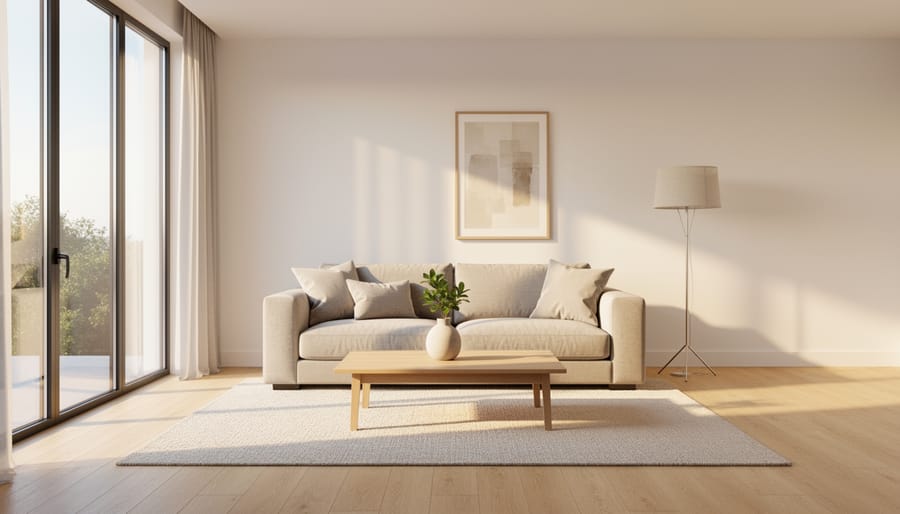
Minimalist color schemes do more heavy lifting than most people realize. A well-chosen palette of whites, creams, soft grays, and warm beiges creates the foundation for calm without the clinical feel that kills comfort. The key is layering different shades within the same neutral family, an ivory sofa against cream walls with greige accents introduces subtle depth that keeps spaces from reading flat or sterile.
Natural light becomes your primary decorating tool in minimalist rooms. Large windows left unobstructed or dressed with sheer linen curtains let sunlight shift throughout the day, changing how your neutrals appear and eliminating the need for busy pattern work. When natural light is limited, warm-toned bulbs in simple fixtures prevent that cold, institutional glow.
Accent colors earn their place through restraint. A single burnt orange throw pillow, a terracotta vase, or muted sage green artwork provides visual interest without fragmenting the space. These touches should feel intentional rather than scattered, typically limited to one or two accent shades per room. The goal is sophistication through editing, not blandness through omission.
Quality Over Quantity: Choosing the Right Pieces
Every piece in a minimalist home should earn its place. This means investing in fewer, better items rather than filling rooms with mediocre furnishings that blur together. Start by asking whether each potential addition serves a clear purpose or brings you genuine joy. A well-crafted dining table that will last decades beats disposable furniture that needs replacing every few years.
Look for pieces that combine beauty and utility. A sculptural reading chair that’s also supremely comfortable exemplifies this balance. Similarly, a handwoven rug adds warmth and texture while defining your living space. Traditional craftsmanship often aligns perfectly with minimalist values because artisans historically focused on durability and essential form.
Consider timeless design over trendy styles. A mid-century credenza or a classic linen sofa transcends fleeting fashions, which matters when you’re building a carefully curated collection. Pay attention to materials: solid wood, natural stone, quality textiles and metal with substance all age gracefully and develop character.
This approach requires patience and higher upfront costs, but the payoff is a home filled with pieces you love, that function beautifully, and that won’t need constant replacement. The result feels intentional rather than arbitrary.
Negative Space as a Design Feature
Empty space isn’t a void waiting to be filled, it’s where your carefully chosen pieces can breathe and make their impact. When you arrange a single sculptural vase on a console table and leave the rest bare, that emptiness transforms the object into a statement rather than just another item in a crowded lineup.
Think of negative space as the pause between musical notes. Without it, everything becomes visual noise. A sofa positioned away from the wall creates a spatial buffer that makes the room feel deliberately composed rather than pushed to the edges. The gap between your art pieces isn’t wasted wall, it’s what allows each piece to hold attention.
This principle works room-wide, too. A dining area with a table and four chairs needs nothing else if the proportions are right. The surrounding space doesn’t signal that something’s missing; it signals intention and control. You’re making active choices about what deserves prominence.
The challenge is trusting that less really does create more. When a shelf holds three books instead of thirty, those three become worth noticing. The surrounding emptiness isn’t absence, it’s the frame that gives your selections meaning.
Room-by-Room Minimalist Approach
Living Spaces That Actually Feel Like Home
The living room challenges minimalism more than any other space because it must serve multiple functions while staying clutter-free. Start by choosing a single focal point, a comfortable sofa, an architectural fireplace, or a statement piece of art, and build around it rather than filling every wall. Select furniture that balances clean lines with texture: a linen sofa feels warmer than leather, and a wool area rug adds softness without visual noise.
Personality lives in the details you keep, not the volume. Display a small collection of meaningful objects on one surface rather than scattering trinkets throughout. Group three books on a coffee table instead of lining every shelf. Use plants strategically, one large fiddle leaf fig commands more presence than five small succulents while maintaining simplicity. Storage furniture like an ottoman with hidden compartments or a console with concealed shelves keeps everyday items accessible but invisible.
Layering different textures transforms minimalist spaces from cold to inviting. Mix smooth ceramics with woven baskets, pair metal frames with wooden accents, and drape a chunky knit throw over your sofa. These elements create warmth through variety while the restrained color palette maintains visual calm.
Serene Bedrooms for Better Rest
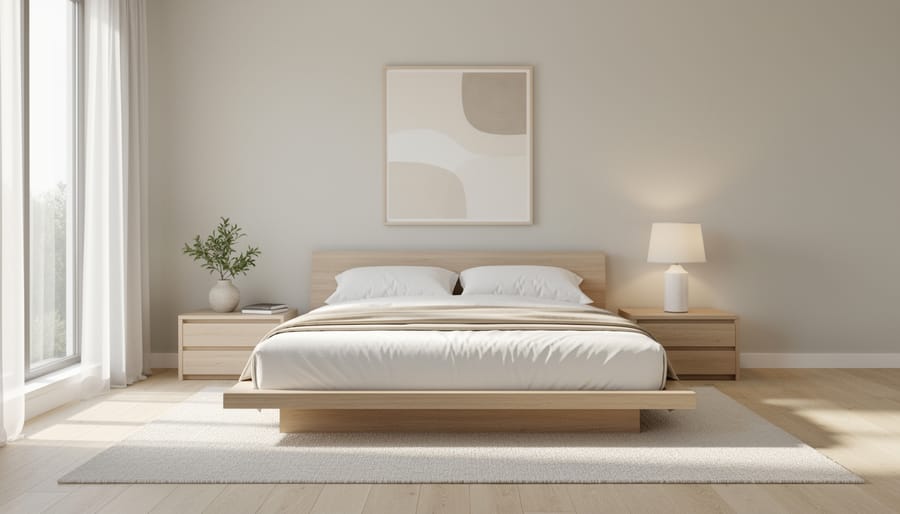
Your bedroom should be a sanctuary from the day’s chaos, and minimalist design excels at creating that retreat. Start by clearing nightstands to just one or two essential items, a lamp, perhaps a book. Visual clutter disrupts rest more than we realize, so eliminate electronics, stacks of papers, and decorative tchotchkes that crowd surfaces.
Under-bed storage and built-in closets become your allies here, hiding away the necessities that would otherwise break the calm. Choose closed storage over open shelving; you want restful eyes, not reminders of laundry or tomorrow’s outfit.
Textiles deserve careful thought. A quality duvet in linen or organic cotton, layered with just one or two complementary throw pillows, creates comfort without the overwhelming pillow mountain many bedrooms accumulate. Stick to a cohesive color story, soft grays, warm whites, muted earth tones, that signals relaxation rather than stimulation.
Blackout curtains or simple roman shades serve double duty: controlling light for better sleep while maintaining clean lines. Skip the fussy valances and layered treatments.
The real test? Stand in your bedroom doorway. If your eye jumps from object to object, keep editing. The goal is a space where nothing demands your attention, allowing genuine rest.
Functional Minimalist Kitchens
Kitchens test minimalist principles like no other room. Between appliances, pantry items, cookware, and daily essentials, even dedicated minimalists struggle to maintain visual calm here. The key isn’t owning less, it’s strategic concealment paired with intentional display.
Start by embracing closed storage wherever possible. Upper cabinets that extend to the ceiling eliminate dust-catching gaps while maximizing space for hiding everyday chaos. Inside, drawer organizers and pull-out shelves prevent the jumbled mess that makes you abandon the whole system. Reserve open shelving for a curated selection of attractive items you actually use: a set of matching canisters, a few handmade ceramics, or frequently-grabbed oils and spices in uniform bottles.
Countertops deserve ruthless editing. If you can store the coffee maker after each use, do it. If not, accept that your daily-use appliances can stay out, but limit yourself to two or three maximum. A cutting board, knife block, and olive oil dispenser might earn their spots; the bread machine you use quarterly shouldn’t.
The workflow matters as much as aesthetics. Clear zones for prep, cooking, and cleanup prevent bottlenecks while naturally limiting clutter accumulation. A single bowl for “items to put away” corrals daily drift without becoming a permanent junk collector.
The result feels spacious and calm even during meal prep, proving that minimalism can handle real life when thoughtfully planned.
Bathrooms and Other Spaces
Bathrooms thrive on minimalism. A wall-mounted sink frees floor space and simplifies cleaning, while a single shelf or recessed niche holds essentials without visual clutter. Store toiletries in matching containers or hide them behind a mirror cabinet. Keep counters clear except for one or two items you use daily.
Home offices demand ruthless editing. Your desk should hold only what you need for the current task, a laptop, notebook, and perhaps a single desk lamp. Route cables through clips or channels, and use drawer organizers to corral supplies. One statement piece, like a piece of art or a sculptural pen holder, adds personality without competing for attention.
Entryways set the tone for your home. A simple console table, a mirror, and a few hooks for coats create function without fuss. A single tray corrals keys and wallets. Resist the urge to display everything here, this space should feel open and welcoming, not like a dumping ground for daily clutter.
Common Minimalist Decor Mistakes (And How to Avoid Them)
The fastest way to derail your minimalist home is to strip away so much that you’re left with a cold showroom instead of a welcoming space. Many newcomers to minimalism mistake emptiness for simplicity, clearing surfaces until rooms feel sterile rather than serene. The difference between a thoughtfully minimal home and an uncomfortably sparse one often comes down to a few critical missteps.
One major error is eliminating texture entirely in pursuit of a “clean” look. Monochrome spaces need varied materials to feel alive, a linen throw draped over a leather sofa, a jute rug beneath a smooth ceramic vase. Without these tactile contrasts, rooms flatten visually and emotionally. Learning how to layer different materials creates depth without adding clutter, transforming stark into sophisticated.
Another common trap is choosing form over function. That sculptural chair might look stunning, but if no one actually sits in it, you’ve prioritized aesthetic theory over real life. Minimalism should make your home more functional, not less. This means honest assessment of what you truly need daily, enough seating for family dinners, adequate storage for your actual belongings, surfaces where you can set down a coffee cup without worrying about the composition.
Pros
- Strategic layering of textures creates warmth while maintaining clean lines
- Functional pieces that serve daily needs make spaces genuinely livable
- Personal items displayed thoughtfully add character without chaos
- Adequate storage solutions prevent clutter from returning
Cons
- Over-editing removes personality and makes spaces feel generic
- Sacrificing comfort for aesthetics creates rooms you avoid using
- All-white everything shows every mark and feels high-maintenance
- Ignoring storage needs leads to hidden clutter and stress
Many also fall into the trap of making everything white and grey, missing the opportunity to introduce subtle warmth through woods, creams, and earthy tones. This applies everywhere from timeless kitchen ideas that blend minimal cabinetry with warm wood accents, to entryways where you might create a mudroom that’s streamlined yet practical for daily family life.
The fix is simpler than you’d think: keep what you love and use, arrange it with breathing room, and add back texture until the space feels like yours. Minimalism works best when it serves your life rather than dictating it.
Blending Minimalism with Your Personal Style
The most liberating truth about minimalism? It was never meant to erase who you are. Your grandmother’s hand-carved side table, your collection of vintage cameras, that vibrant painting you bought on your honeymoon, these pieces can absolutely coexist with minimalist principles when you approach them intentionally.
Think of minimalism as a filter rather than a straitjacket. Instead of asking “Does this fit minimalist rules?” ask “Does this add meaning to my space?” A single ornate baroque mirror becomes a stunning focal point against a neutral wall, whereas five different mirrors create visual chaos. The minimalist framework simply gives your cherished items room to breathe and be appreciated.
Traditional elements actually shine in minimalist settings. That antique dresser your family passed down doesn’t need to be hidden because it has carved details. Display it proudly in a room with clean lines and restrained color, the contrast makes both the traditional piece and the modern context more interesting. Mix eras deliberately rather than accidentally, and each element tells a clearer story.
Collections pose the biggest challenge, but they’re manageable with thoughtful curation. Display your favorite fifteen coffee table books on open shelving rather than stuffing fifty into a cabinet. Rotate items seasonally so you actually see and enjoy them. Group similar objects together, a dedicated shelf for pottery, a single shadow box for pins, which creates visual order while honoring what matters to you.
The goal isn’t to live in a sterile showroom that could belong to anyone. Your space should reflect your actual life, interests, and history. Minimalism just strips away the excess that buries those meaningful pieces under layers of forgotten impulse purchases and inherited clutter. When every item in your home has earned its place through beauty, function, or emotional significance, that’s when minimalism becomes personal rather than prescriptive.
Start by identifying your non-negotiables, the ten or twenty things you’d rescue in a fire. Build your space around those anchors, then add only what enhances rather than competes with them.
Making the Transition: Where to Start
Starting your minimalist journey doesn’t mean throwing out everything you own or living in an empty shell. The key is taking deliberate steps that build momentum without triggering decision fatigue or regret.
Begin by observing your space with fresh eyes. Spend a few days simply noticing how you actually use each room. Which surfaces collect clutter? Where do you feel most relaxed? Which items do you reach for daily versus those gathering dust? This awareness phase prevents hasty decisions and helps you understand your genuine needs rather than aspirational ideals.
- Assess your current space by photographing each room from multiple angles. These images reveal clutter blindness and show patterns you’ve stopped noticing in person.
- Identify what truly matters by listing your top five activities in each space. A living room for movie nights and reading needs different items than one used primarily for entertaining.
- Declutter strategically, starting with obvious discards like duplicates, expired items, and things you’ve never used. Move questionable items to a box and store them for 30 days. If you don’t retrieve something during that month, you likely don’t need it.
- Make intentional additions only after decluttering. When you do bring something new home, apply the one-in-one-out rule and choose pieces that serve multiple purposes or bring genuine joy.
- Maintain the practice through weekly resets where you return items to their designated spots and monthly reviews of new accumulations before they become permanent fixtures.
The easiest starting point is often your bedroom dresser or nightstand. These small, personal spaces let you experience the calm of minimalism quickly without disrupting your entire household. Clear everything off, clean the surface, then return only what you use within arm’s reach at bedtime. The difference is immediate and motivating.
Avoid the temptation to buy new storage solutions or chase modern decor ideas before decluttering. Beautiful minimalist furniture won’t fix an excess of possessions. First reduce, then assess what organizational tools you actually need. Most people discover they require far less storage once they’ve edited their belongings honestly.
Remember that minimalism is personal. Your version might include a beloved book collection while someone else’s features extensive cookware. The goal isn’t matching someone else’s aesthetic but creating space for what genuinely supports your life right now.
Minimalist home decor represents far more than another fleeting design trend. As the global home decor market expands from USD 258.1 billion in 2026 to a projected USD 502.8 billion by 2036, the 250% growth in minimalist searches reflects something deeper: people craving spaces that restore clarity in an overwhelming world. This movement answers real needs, for calm, for breathing room, for homes that support rather than stress us.
The beauty of minimalism lies in its flexibility. You don’t need to overhaul your entire home or abandon pieces you love. Start with one room, one surface, one drawer. Notice how removing visual noise shifts your experience of the space. Pay attention to what you genuinely miss versus what simply disappears without a second thought.
Your journey with minimalist principles will look different from anyone else’s, shaped by your lifestyle, your memories, and what matters to you. Share your discoveries, your challenges, and your creative solutions with our community. The conversation around minimalism evolves as real people adapt these ideas to real homes, and yours adds to that collective wisdom.