

 Posted Bypriscilla
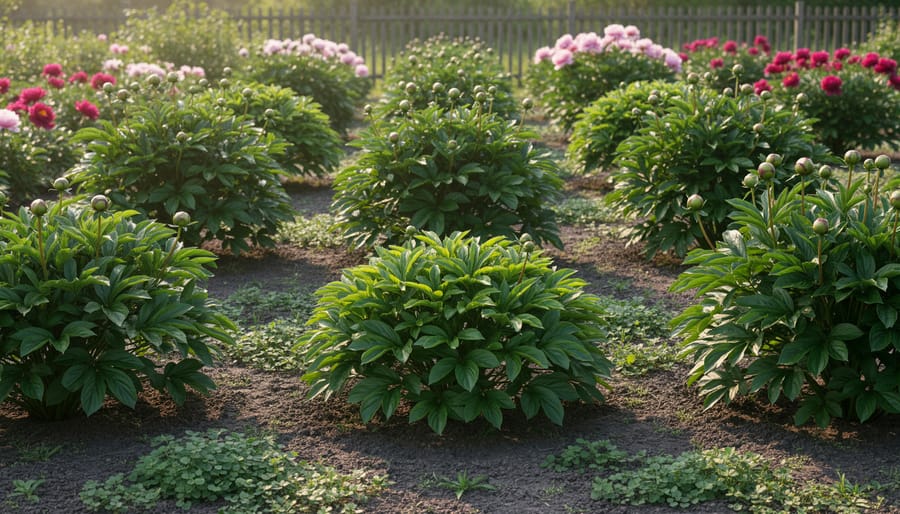
Space herbaceous peonies 3 to 4 feet apart, center to center, and tree peonies 4 to 5 feet apart. That measurement gives each plant enough room to reach full size without crowding, ensures good air circulation to prevent disease, and allows you to work around the plant for deadheading and seasonal cleanup. Measuring from the center of one planting hole to the center of the next keeps the math simple and consistent across your bed.
The confusion around peony spacing comes from conflicting advice that treats every garden the same. You’ll see everything from 2 feet to 6 feet recommended online, often without acknowledging variety type, mature width, or your design goals. A compact herbaceous peony in a cutting garden has different needs than a sprawling tree peony anchoring a foundation bed. The right spacing isn’t a single number. It’s a decision based on the peony type you’re planting, how you want the mature planting to look, and whether you’re willing to intervene with division down the line.
Tight spacing creates a lush, filled-in look faster but increases the risk of botrytis blight and makes maintenance awkward. Wide spacing gives plants room to breathe and develop their natural form, but it leaves gaps in the first few seasons and can feel sparse if you’re designing a traditional border. Understanding the trade-offs lets you space intentionally rather than guessing or following a rigid rule that doesn’t fit your site.
Common Spacing Myths We’re Breaking Today
Let’s clear the air about peony spacing. If you’ve read conflicting advice online or inherited traditional rules from gardening manuals written decades ago, you’re not alone. The problem is that much of this guidance was developed for specific contexts that don’t apply to modern gardens, new cultivars, or contemporary space planning approaches.
- The rigid 3-foot rule applies to every peony variety, Reality: compact cultivars thrive at 30 inches while dinner-plate varieties need 48 inches
- Closer spacing automatically causes fungal disease, Reality: poor air circulation from overcrowding is the issue, not proximity itself when plants are properly sized
- Peonies must stand alone, isolated from companion plants, Reality: strategic companion planting with appropriate spacing actually supports healthier growth
- Once planted, spacing is permanent and unchangeable, Reality: mature peonies can be divided and repositioned, though it requires planning
The three-foot myth originated when most available peonies were similar in size, before breeders developed compact varieties for small gardens and sprawling hybrids for cutting production. Disease concerns stem from observations of genuinely overcrowded beds, but gardeners wrongly concluded that any reduction from maximum spacing invites trouble. The isolation myth confuses peonies with plants that compete aggressively for nutrients or suffer from allelopathic effects. And the permanence assumption? It likely comes from the fact that peonies hate being moved unnecessarily, which somehow morphed into the idea that spacing mistakes are irreversible.
Understanding where these myths came from helps you see why they don’t serve your specific garden. Your job is matching spacing to your actual variety, climate, and design goals, not following blanket rules that ignore reality.
What You’ll Need to Space Peonies Correctly
Proper peony spacing starts with the right tools, not many, but each one serves a specific purpose. Skip the guesswork and gather these items before you break ground:
- Measuring tape or garden spacing toolMarks exact distances between planting holes; a 25-foot tape handles most bed layouts without constant repositioning.
- Stakes and garden twineCreates a visible grid so you can assess spacing from multiple angles before digging; prevents the common mistake of eyeballing positions.
- Soil amendmentsCompost or aged manure improves drainage and fertility in your planting holes, supporting strong root establishment within your planned spacing.
- MulchA 2-3 inch layer around newly planted peonies suppresses weeds and retains moisture without smothering crowns; keeps the visual spacing clear.
- Plant labelsRecords variety names and planting dates at each spot; essential when you’re spacing multiple cultivars with different mature sizes.
- Garden journal or smartphoneDocuments your spacing decisions, bed dimensions, and variety positions for future reference and adjustments.
The measuring tape and stakes matter most. You can plant a peony without perfect soil or fancy labels, but guessing the distance between holes locks you into spacing that’s difficult to correct later. A simple string grid takes five minutes to set up and saves years of regret when plants mature. Think of these tools as insurance against the frustration of realizing, three seasons in, that your peonies are crowding each other or leaving awkward gaps. The modest investment in proper planning tools pays off every spring when your well-spaced garden blooms exactly as you envisioned.
Before You Dig: Important Spacing Considerations
Before you measure a single inch or turn over your first shovelful of soil, pause. A few minutes of preparation now prevents years of regret and potentially dangerous mistakes.
Once you’ve confirmed your site is safe to dig, research your specific peony cultivar’s mature dimensions. A compact variety like ‘Fairy Princess’ tops out at 24 inches wide, while ‘Sarah Bernhardt’ can spread to 40 inches. Planting both at the same spacing creates either wasted space or future crowding. Check the plant tag, nursery description, or a reliable peony database for both height and spread, you need the width measurement to calculate proper center-to-center spacing.
If you’re adding peonies to an existing bed, walk the area during late spring when perennials are at full size. Signs of overcrowding include plants leaning into pathways, overlapping foliage that stays wet after rain, or reduced flowering in the bed’s interior. Adding more peonies to an already tight space multiplies these problems.
Know when to wait. Frozen ground makes accurate hole depth impossible and damages roots. Waterlogged soil from recent storms creates anaerobic conditions that rot peony eyes before they establish. Planting during a heat wave above 85°F stresses divisions that haven’t developed new roots yet. If conditions aren’t right, heel your peonies into a temporary nursery bed or pot them up until fall or early spring arrives. Peonies live for decades, giving them an extra few months beats fighting poor establishment for years.
Step-by-Step: How to Space Peonies for Your Garden
Step 1: Measure Your Mature Plant Size
Start with the plant tag or nursery label, it’s your first clue to mature size. Look for spread measurements, typically listed as “18-24 inches” or “36-48 inches wide.” If you’ve already tossed the tag, search your cultivar name (like ‘Festiva Maxima’ or ‘Coral Charm’) on the supplier’s website or in a reliable peony database.
Compact varieties such as ‘Firelight’ or dwarf Itoh peonies max out at 24-30 inches across, perfect for smaller beds or container gardening ideas where space is tight. Mid-sized classics like ‘Sarah Bernhardt’ spread 30-36 inches. Dinner-plate herbaceous types and most tree peonies can reach 36-48 inches or wider, demanding significantly more room.
Why does this matter? If you space 30-inch peonies at 48 inches apart, you’ll stare at bare soil for years. Plant 42-inch specimens at 30 inches, and you’ll be dividing crowded clumps by year four. Matching spacing to actual mature size, not a generic rule, saves you from expensive do-overs and keeps your flower border design functional as plants fill in. Write down your findings; you’ll reference them in step two when calculating exact planting distances for your specific best landscaping layout.
Step 2: Calculate Spacing Based on Peony Type
Now that you know what size your peony will reach, translate that into real-world spacing measurements. For herbaceous peonies, the most common garden varieties, space plants 3 to 4 feet apart, measured center-to-center from one crown to the next. This aligns with established peony spacing guidelines that prioritize airflow and mature plant health. Itoh or intersectional peonies, which grow slightly bushier, need 3.5 to 4.5 feet between centers. Tree peonies, the woody giants of the peony world, demand the most breathing room at 4 to 5 feet apart, they develop permanent stems and can’t be easily moved once established.
Your garden style affects these numbers, though. If you’re creating a formal border with strict design symmetry stick to the wider end of each range for clean lines and distinct silhouettes. Cottage gardens that embrace cheerful abundance can edge toward the tighter measurements, letting foliage mingle slightly at maturity. Just remember: any adjustment should keep plants from genuinely crowding one another.
Border placement requires a different calculation. When positioning peonies along a path, fence, or lawn edge, use half the recommended spacing as your offset. A herbaceous peony spaced 3 feet from neighbors needs only 18 to 24 inches from the border edge, preventing awkward gaps while ensuring the mature plant won’t flop into walkways or block access.
Step 3: Mark Your Planting Positions

Once you’ve calculated your spacing numbers, translate them from paper to dirt. Start by placing a stake where your first peony will go, then measure outward using your predetermined distance, say, 42 inches for a standard herbaceous variety. Drive a second stake at that point. Continue marking each position across your bed, creating either a formal grid (think rows and columns) or a staggered pattern that looks more natural and maximizes airflow between plants.
String stretched between stakes helps you maintain straight lines and equal spacing, especially if you’re planting more than three peonies. For informal cottage-style layouts, skip the string and use landscape marking paint to spray an X where each hole will go. Before you pick up a shovel, walk around your marked layout. Check the view from your kitchen window, patio, or main garden entrance, do the positions create balanced visual weight? Will the blooms be visible from inside?
Grab graph paper and sketch your spacing one more time if anything feels off. Moving a stake takes five seconds. Transplanting a mature peony you’ve realized is blocking a pathway takes five years of patience and one very sore back. This is your chance to adjust spacing slightly wider near companion plantings or tighter in a dedicated cutting bed, all while the ground is still intact.
Step 4: Dig and Position Each Peony
Now that your spacing is marked, it’s time to dig. Each hole should be about twice the width of your peony root mass, typically 12 to 18 inches across for bare-root divisions, and deep enough that the eyes (those pink or white buds on the crown) sit just 1 to 2 inches below the soil surface. This depth is non-negotiable: plant too deep and your peony may never bloom, too shallow and frost can heave the roots.
When you position the tuber or root division, orient it so the eyes face upward and spread the roots outward and downward, not bunched in a clump. Backfill with your amended soil, firming gently as you go to eliminate air pockets, then water thoroughly to settle everything in place.
Here’s where spacing discipline matters most. As you move from one marked spot to the next, you’ll be tempted to nudge plants a foot closer, especially if your garden feels sparse right now. Resist. Those empty gaps will fill in by year three, and crowding your peonies now means you’ll be digging them up and dividing them in five years instead of ten. Stick to your measurements. If you’re planting multiple peonies in one session, double-check the distance between each hole before you backfill. Once the soil is in and watered, adjusting spacing becomes a major undertaking you don’t want to repeat.
Spacing Adjustments for Different Garden Styles
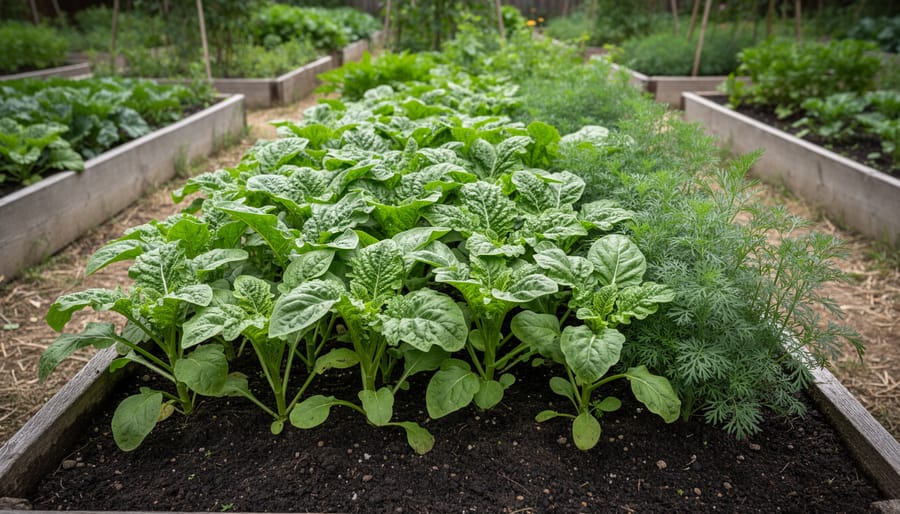
Your spacing strategy should adapt to how you actually use your garden, not follow a one-size-fits-all rule. A cutting garden demands different math than a formal border or a specimen planting where each peony commands attention.
For cutting gardens, plant 30 to 36 inches apart. You’ll harvest stems regularly, which naturally opens up the canopy and improves air circulation. The tighter spacing delivers more blooms per square foot without the disease risk you’d see in an ornamental bed at the same density. This approach works especially well if you’re growing peonies primarily for bouquets rather than landscape impact.
Standard perennial borders call for the 3- to 4-foot spacing we covered earlier. This gives peonies room to develop their full form while leaving gaps for companion plants. The spacing supports a modern layout where each plant contributes to the overall composition without fighting for resources or sightlines.
Specimen plantings and hot-climate gardens need 48 inches or more. When a peony stands alone as a focal point, generous spacing showcases its architectural shape. In warm, humid regions, the extra distance improves air movement around foliage, reducing fungal pressure during muggy summer nights. Tree peonies especially benefit from this breathing room since their woody structure makes them harder to divide and relocate later.
Urban and container gardeners face different constraints entirely. One mature herbaceous peony fits a 16- to 20-inch diameter pot, eliminating spacing decisions but requiring excellent drainage and winter protection. Small raised beds work with 30-inch spacing if you choose compact cultivars and commit to dividing plants every five to seven years instead of letting them sprawl indefinitely.
How to Know If Your Spacing Is Working
Spacing success isn’t instant, you’re playing the long game. In year one, you should see generous bare soil between each plant, maybe 18 to 24 inches of open ground radiating from the base. It feels sparse, almost too sparse, but resist the urge to fill gaps with annuals right up to the crown. That breathing room is your insurance policy.
By year three, the picture shifts. Foliage should just begin to kiss at the edges during peak bloom season, creating a lush look without tangling. You want touching, not overlapping, think of it as polite neighbors waving from their porches, not climbing through each other’s windows. If you can still walk between plants without brushing leaves, you’re golden. If you’re forcing stems apart to inspect the soil, you’ve got a problem brewing.
Year five is your reality check. Mature peonies should form full, rounded mounds with visual airflow between clumps, even at their widest spread. You shouldn’t see woody stems competing for light or leaning dramatically outward to escape crowding. Healthy spacing means strong, upright growth and abundant blooms, thirty-plus flowers per plant for established herbaceous varieties.
Red flags appear as persistent problems. Botrytis blight that returns every spring despite treatment points to poor air circulation from tight spacing. Stems that flop without support, even in calm weather, suggest plants are stretching and weakening in competition for resources. A gradual decline in bloom count, from forty flowers down to fifteen over two seasons, screams overcrowding.
When you spot these signs, act. Division and transplanting sound drastic, but peonies tolerate it well in early fall. Dig the crowded clump, split it into divisions with three to five eyes each, and replant with proper spacing. Your next steps include mulching correctly (never over the crown), planning companion plants that respect your spacing zones, and marking your calendar for annual checkups each spring.
Frequently Asked Questions About Peony Spacing
Can I plant peonies closer together for instant fullness?
Resist this temptation. Crowding peonies creates weak, leggy stems as plants compete for sunlight and air, and you’ll see fewer blooms within two to three years. Proper spacing gives you healthier plants that actually look fuller because each one develops its natural branching structure.
What if I already planted my peonies too close together?
You can divide and transplant peonies in early fall when they’re dormant. Dig up the entire clump, divide the root mass into sections with three to five eyes each, and replant at proper spacing. They’ll sulk for a season but recover with better vigor than if left crowded.
Do companion plants affect my peony spacing needs?
Absolutely. Calculate the mature spread of everything in the bed, not just the peonies. If you’re planting peonies alongside shrub roses or large ornamental grasses, account for their width when marking your positions, or you’ll end up with an overcrowded border by year three.
Does spacing differ between cold and warm climates?
In humid, warm regions (zones 7-8), err toward the wider end of spacing recommendations to improve air circulation and reduce fungal disease pressure. Cold-climate gardeners (zones 3-5) can use standard spacing since lower humidity and harder freezes naturally suppress most peony diseases.
These spacing scenarios come up constantly in garden forums, and the answers reveal how flexible peony spacing can be when you understand the underlying principles. The instant-fullness question reflects our impatience as gardeners, but choosing between herbaceous and tree peonies based on your actual available space saves you from corrective work later. If you’re planning a cutting garden or a mixed perennial bed, thinking through companion plant dimensions now prevents the frustration of digging up and reshuffling mature plants in three years. And climate considerations matter more than many spacing guides acknowledge, particularly for southern gardeners dealing with fungal pressure that tighter northern beds never face.
For readers working with established plantings, the division-and-transplant guidance opens the door to fixing past mistakes without starting over. Once your peonies are properly spaced and thriving, you might explore ground cover options for the bare soil between plants during their establishment years, or investigate cottage garden design principles that make generous spacing look intentional rather than sparse. The goal is a garden that improves each season, not one that requires constant intervention because the foundation spacing was wrong from day one.
Spacing peonies correctly isn’t about following a single magic number from a 1950s gardening manual. It’s about understanding your specific variety, knowing how you want your garden to feel, and having the confidence to adjust those old rules when your space or style demands it. Whether you landed on 3 feet for a cottage garden packed with blooms or 5 feet for a formal border with breathing room, you’ve made an informed choice that fits your landscape.
The real reward comes in year three and beyond, when your peonies fill out without crowding, bloom generously, and create that lush outdoor room you envisioned. If you’re planning your peony companions, check out our guide on the best flowers to plant with peonies to maximize your border’s impact. And once those blooms arrive, you’ll want to know how long peonies bloom so you can plan around their spectacular but fleeting show.
We’d love to hear how your spacing decisions worked out. Drop a comment below with your peony variety, your chosen spacing, and whether you’d adjust it next time. Your experience helps fellow gardeners make smarter choices, and for more seasonal tips, explore our guide on when to cut back peonies to keep your plants thriving year after year.