
 Posted Bypriscilla
Traditional home decor is making a powerful return in 2026, defined by its embrace of symmetry, rich wood tones, classic patterns, and ornamental details that prioritize comfort and timeless elegance over fleeting trends. This resurgence speaks to a broader cultural shift: after years of stark minimalism and rapid trend cycles, homeowners are gravitating toward spaces that feel rooted, intentional, and built to last. The style blends historical influences from Georgian, Victorian, and Colonial design periods with the livability modern families need, creating interiors that honor craftsmanship without feeling like museum displays.
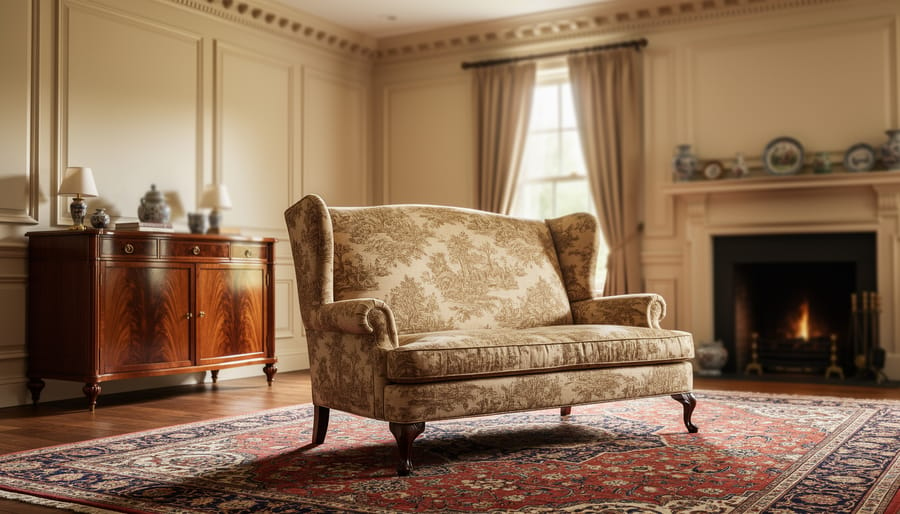
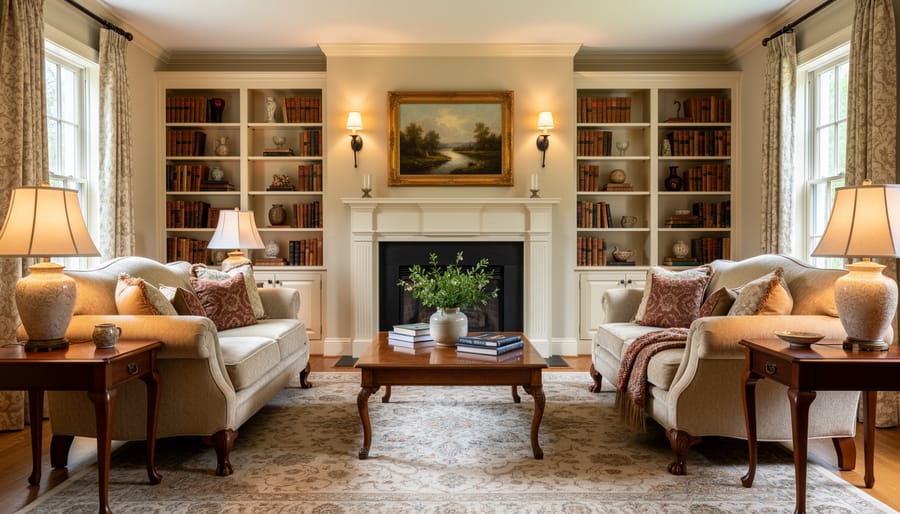
What sets traditional decor apart is its layered approach. Think upholstered furniture in damask or toile, mahogany or cherry wood pieces with visible grain and turned legs, paired textiles that complement rather than match, and curated collections displayed on mantels or built-in shelving. Crown molding, wainscoting, and architectural trim work add dimension to walls, while Persian or Oriental rugs anchor rooms with pattern and warmth. The palette typically draws from nature: deep burgundies, forest greens, warm golds, and creamy neutrals that age gracefully and adapt across seasons.
The timing matters. Regional demand has surged particularly in the South and Northeast, where buyers appreciate the style’s nod to heritage and substance. Industry showcases are spotlighting traditional silhouettes reimagined with updated fabrics and finishes, proving the aesthetic can evolve without losing its soul. For those ready to bring this enduring style home, the key is balancing formality with function, choosing quality over quantity, and building rooms that tell your story rather than someone else’s.
What Defines Traditional Home Decor in 2026
Traditional home decor roots itself in European design movements from the 18th and 19th centuries, think English manor houses, French chateaux, and American Colonial estates. But what emerged at the 2026 High Point Market and in design conversations this year isn’t a static museum recreation. It’s a living style that honors craftsmanship, symmetry, and permanence while adapting to how we actually live now.
At its core, traditional decor favors quality over trendiness. You’ll recognize it by dark or medium wood furniture with visible grain and carved details, upholstery in damask or velvet rather than performance fabrics, and arrangements that prioritize balance. Rooms feel anchored and intentional, not improvised. Color palettes lean warm, burgundy, forest green, navy, gold, with cream or beige as foundational neutrals. Patterns appear layered: florals on curtains, stripes on a chair, perhaps paisley throw pillows, all coordinated rather than clashing.
- Symmetry
- Traditional rooms arrange furniture and accessories in balanced pairs or mirrored layouts, creating visual harmony and a sense of order that feels immediately grounding.
- Wood Tones
- Rich mahogany, cherry, walnut, and oak dominate traditional furniture, often with hand-carved details or inlays that showcase artisan skill rather than mass production.
- Classic Patterns
- Damask, toile, paisley, plaids, and refined florals appear throughout textiles and wallpapers, offering visual interest without the bold contrast or geometry of modern design.
- Formal Arrangements
- Furniture placement follows established rules, sofas facing each other across a coffee table, matched lamps flanking a console, prioritizing conversation and gracious hospitality over casual flexibility.
What makes traditional decor distinct from farmhouse or cottage styles is its formality and refinement. Where farmhouse celebrates distressed finishes and rustic simplicity, traditional chooses polished wood and tailored upholstery. Where mid-century modern strips down to essential lines, traditional adds layers, crown molding, wainscoting, decorative trim. The style doesn’t apologize for ornamentation or embrace minimalism’s “less is more” philosophy.
Yet 2026’s version isn’t your grandmother’s sitting room frozen in amber. Contemporary traditional homes incorporate comfortable seating depths, practical fabrics in high-traffic areas, and edited accessory collections that avoid clutter. The rising demand in cities like Kolkata and Bhubaneswar shows how traditional principles translate across cultures when they emphasize heritage, quality materials, and designs meant to last decades rather than seasons. It’s decor that signals you value permanence in an increasingly disposable world.
The Forces Behind Traditional Decor’s Explosive Growth
High Point Market 2026: Where Traditional Trends Took Center Stage
The spring 2026 High Point Market emerged as a turning point for traditional design, with industry professionals noting a marked shift in showroom presentations and buyer interest. Where previous markets had prioritized minimalist aesthetics and mid-century modern revivals, this year’s event showcased traditional furniture and decor in volumes not seen in over a decade. Manufacturers rolled out extensive collections featuring carved wood details, tufted upholstery, and ornamental hardware that would have seemed out of step just two years earlier.
Design professionals walking the showrooms observed something beyond trend cycling. Buyers weren’t simply ordering a few traditional accent pieces to round out contemporary collections. They were committing to full room settings, placing substantial orders for four-poster beds, wingback chairs, and formal dining tables that signal long-term confidence in traditional design’s staying power. The conversations on the floor reflected this shift, with retailers discussing how to educate clients about quality construction and heritage craftsmanship rather than defending traditional style as relevant.
What made 2026’s Market particularly significant was the breadth of the traditional offerings. This wasn’t limited to a handful of heritage brands maintaining their usual lines. Contemporary manufacturers who had abandoned traditional designs years ago returned with newly developed collections, validating what sales data had already suggested: customers were actively seeking the permanence and substance that traditional home decor provides.
Global Demand: Traditional Decor’s Rising Markets
Traditional decor’s resurgence isn’t confined to Western markets. East India has emerged as a particularly vibrant center for this revival, with Kolkata and Bhubaneswar showing remarkable appetite for designs that honor cultural heritage while meeting contemporary needs.
In these cities, traditional home decor represents more than aesthetic preference, it’s a reconnection with regional craft traditions and design languages that reflect local identity. The demand here favors hand-carved wooden furniture, intricate textile work, and architectural details rooted in centuries of craftsmanship. Homeowners are seeking pieces that tell stories, support local artisans, and create spaces that feel authentically grounded in place.
This regional growth mirrors a broader global pattern: as design becomes increasingly homogenized through mass production and digital platforms, communities worldwide are rediscovering the value of traditional aesthetics that reflect their specific cultural contexts. What makes these markets particularly interesting is how they’re adapting traditional forms to modern living requirements, smaller spaces, contemporary lifestyles, without sacrificing the craftsmanship and meaning that make traditional decor resonate. The result is spaces that feel both rooted and current, honoring heritage while serving today’s households.
Essential Elements of Traditional Home Decor
Furniture That Anchors Traditional Spaces
Traditional furniture isn’t about stuffiness. It’s about pieces built to last, designed with proportions that feel right decade after decade.
Start with wood. Mahogany, cherry, and walnut bring warmth and gravitas that engineered materials can’t replicate. Look for furniture with visible grain, rich tones, and hand-applied finishes rather than uniform stains. The weight matters too, traditional pieces should feel substantial, not flimsy.
Silhouettes distinguish traditional furniture from everything else. Camelback sofas, wingback chairs, and Chippendale dining chairs share deliberate curves and architectural details. Cabriole legs, carved aprons, and turned spindles add visual interest without busy ornamentation. These details signal craftsmanship, not fussiness.
Upholstery bridges the gap between formal and livable. Choose quality fabrics, linen, velvet, or leather, in colors you’ll live with for years. Neutral foundations work best: cream, taupe, navy, or forest green. Save patterns for accent chairs where you can rotate them out as tastes evolve.
Balance matters most. A traditional living room doesn’t need matching furniture sets. Pair a formal sofa with more relaxed side chairs. Mix a substantial dining table with benches alongside traditional chairs. The formality comes from quality and proportion, not rigid coordination.
Traditional furniture anchors a room because it commits to something. In 2026, that commitment to substance over trends feels increasingly intentional and rare.
Color Palettes and Patterns That Feel Timeless
Traditional color palettes draw from nature’s most enduring hues: deep burgundies, forest greens, navy blues, and warm golds anchor rooms without overwhelming them. These colors carry weight and substance, creating spaces that feel grounded rather than trendy. Cream, ivory, and soft taupe provide breathing room, preventing the richness from tipping into darkness.
The patterns tell stories. Damask adds formality through its woven symmetry, while toile brings narrative charm with pastoral scenes that have decorated French manor houses for centuries. Paisley introduces movement and complexity, its teardrops and curves softening straight lines and rigid furniture silhouettes. Stripes, especially in regency proportions, add structure without competing with these busier motifs.
What keeps these combinations fresh is restraint. A damask sofa paired with solid velvet pillows reads sophisticated, not stuffy. Toile wallpaper balanced by plain linen drapes maintains visual interest without pattern overload. The secret lies in choosing one dominant pattern per room, then supporting it with solids and subtle textures. This approach honors traditional design principles while preventing spaces from feeling like they’re trapped in a specific decade.
Layering Textures and Fabrics
Textiles transform traditional rooms from flat to luxurious. Start with a substantial foundation, velvet drapes or a wool rug anchors the space with tactile weight. Layer silk throw pillows over linen upholstery to create contrast between smooth and textured surfaces. The key is understanding how to layer different weights and finishes: pair heavy brocade curtains with lighter cotton sheers, or drape a cashmere throw over a damask sofa. Each fabric should serve a purpose beyond decoration. Velvet adds depth and absorbs light, creating richness in traditional spaces. Wool brings warmth and durability to high-traffic areas. Silk introduces subtle sheen that catches natural light throughout the day. This thoughtful layering builds the sophisticated depth that makes traditional rooms feel inviting rather than staged.
Blending Traditional with Modern Sensibilities
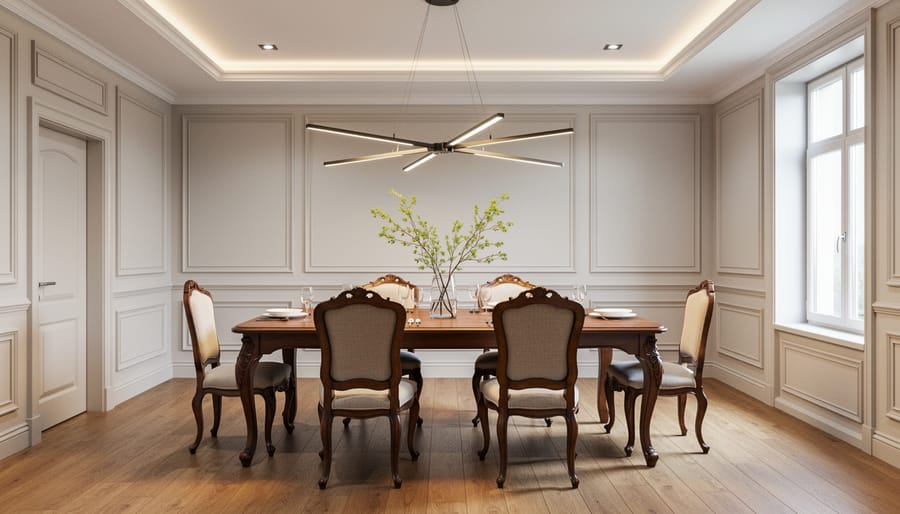
The key to successful traditional design in 2026 lies not in strict historical accuracy but in thoughtful curation that respects heritage while embracing how we actually live today. Start by establishing your traditional foundation, a substantial wood dining table, classic upholstered seating, or architectural moldings, then introduce contemporary elements that prevent the space from feeling frozen in time. A traditional Chesterfield sofa gains new life when paired with a sleek glass coffee table and abstract art, while ornate crown molding feels fresh alongside minimalist lighting fixtures and clean-lined bookcases.
The most successful spaces layer different eras with intention rather than accident. Choose one or two statement traditional pieces per room and let them anchor the design, then fill in with simpler, more modern selections that provide visual breathing room. A grand antique armoire becomes a focal point in a bedroom with contemporary bedding and streamlined nightstands, while traditional wingback chairs flanking a modern fireplace create dialogue between periods rather than competition. This approach honors luxurious traditional tips without sacrificing the openness and functionality modern life demands.
Technology integration requires particular care in traditional settings. Conceal televisions in custom cabinetry with traditional detailing, select smart home devices in finishes that complement antique hardware, and run cables invisibly rather than letting modern necessities compromise the aesthetic. The goal isn’t to hide that you live in 2026 but to ensure contemporary conveniences don’t visually dominate spaces built around timeless design principles. Similarly, contemporary artwork and photography can energize traditional rooms by introducing current perspectives while respecting the architectural envelope, a large-scale black-and-white photograph gains gravitas when displayed in an ornate gilt frame against picture-rail molding.
Kitchens and bathrooms present the greatest challenge since they’re inherently modern spaces, yet traditional detailing succeeds when applied with restraint. Choose Shaker-style cabinetry rather than overly ornate designs, incorporate farmhouse sinks and bridge faucets that reference the past without replicating it, and select appliances in panel-ready or vintage-inspired designs that blend rather than clash.
Room-by-Room Approach to Traditional Decor
Traditional design adapts beautifully to every room when you understand the core principles and adjust them for how each space functions.
Living rooms anchor your traditional home. These spaces thrive on symmetry and conversation groupings, arrange seating to face inward rather than pointing everything at the television. A tufted Chesterfield sofa or wingback chairs upholstered in rich fabrics establish formality, while layered lighting from table lamps, floor lamps, and a statement chandelier creates warmth. The best traditional living rooms balance elegance with invitation, incorporating wood side tables, Persian or Oriental rugs, and artwork in ornate frames without feeling stuffy.
Dining rooms embrace tradition most naturally. A substantial wood table with upholstered chairs, a crystal chandelier centered above, and a sideboard or china cabinet for display create instant gravitas. Crown molding, wainscoting, and traditional window treatments frame the architecture. Keep the palette rich but not dark, warm creams, burgundy accents, or forest green prevent the space from feeling heavy.
Bedrooms need softness alongside structure. Four-poster beds or upholstered headboards in classic silhouettes anchor the room, paired with matching nightstands in wood finishes. Layer bedding generously with quality sheets, a coverlet, and decorative pillows. Window treatments should puddle slightly or hang with proper length, nothing skimpy. A sitting area with a reading chair transforms the space into a true retreat.
Kitchens present the biggest challenge because function dominates, but traditional kitchen ideas work when you focus on cabinetry details and material choices. Raised-panel cabinets in painted or stained wood finishes, marble or butcher-block countertops, and apron-front sinks nod to tradition without sacrificing modern appliances. Open shelving for displaying china, pot racks, and decorative range hoods add character.
Bathrooms translate traditional style through fixtures and finishes, pedestal sinks, clawfoot tubs, marble surfaces, and classic subway tile create elegance in smaller spaces without overwhelming them.
Common Pitfalls and How to Avoid Them
Traditional home decor carries certain risks that can transform elegant spaces into stuffy showrooms or cluttered antique shops if you’re not careful. The most common mistake is treating every surface as an opportunity for display, packing rooms with decorative objects until they feel more like estate sales than living spaces. Give your traditional pieces breathing room. A single statement piece, an ornate mirror, a quality oil painting, a carved wooden chest, commands more attention and respect than a dozen smaller items competing for notice.
Another trap is the matching furniture set syndrome. When every piece comes from the same collection, rooms lose the layered, collected-over-time quality that makes traditional spaces feel authentic. Mix your sources. Pair that new upholstered sofa with a genuinely old side table, or combine a reproduction piece with something inherited or found at a local shop. This approach sidesteps some persistent interior design myths about needing everything to match perfectly.
Window treatments present another challenge. Heavy drapes in dark colors can choke natural light and make rooms feel oppressive rather than cozy. Traditional doesn’t mean dark. Choose lined curtains that can be pulled back during daylight hours, or layer sheers beneath heavier panels so you control both privacy and brightness. Your traditional space should feel warm and inviting, not like you’re preserving artifacts from sunlight damage.
The formality problem often stems from choosing aesthetic over function. If your living room looks beautiful but nobody wants to sit in it, you’ve missed the point. Traditional decor should enhance daily life, not restrict it. Select fabrics that can handle real use, arrange furniture for actual conversation, and resist the urge to rope off your prettiest rooms for special occasions that never come.
Traditional home decor isn’t just surviving in 2026, it’s thriving, and for good reason. In a world that often feels temporary and disposable, creating spaces that honor craftsmanship, heritage, and enduring beauty offers something profoundly grounding. You’re not chasing a fleeting trend when you choose traditional design; you’re investing in rooms that will feel right for years to come.
The beauty of traditional decor today lies in its flexibility. You don’t have to recreate a period room or commit to every formal element. Take what speaks to you, the warmth of wood furniture, the richness of layered textiles, the visual interest of classic patterns, and make it work for how you actually live. Traditional design has always been about creating homes that welcome people in, not keep them at arm’s length.
We’d love to hear about your own experience with traditional decor. What drew you to this style? What challenges have you encountered in making it feel personal and livable? Share your thoughts in the comments below, your insights help all of us create more beautiful, meaningful homes.